
 English
 Faculty News
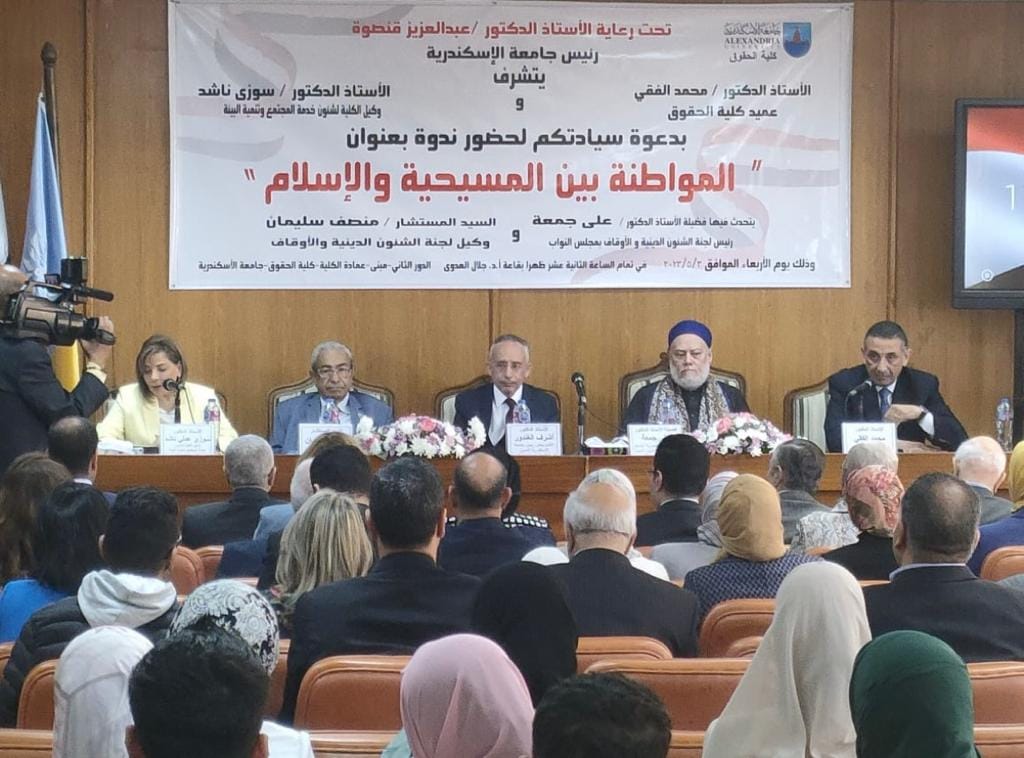
Faculty of Law Organizes Educational Seminar on “Citizenship between Christianity and Islam”
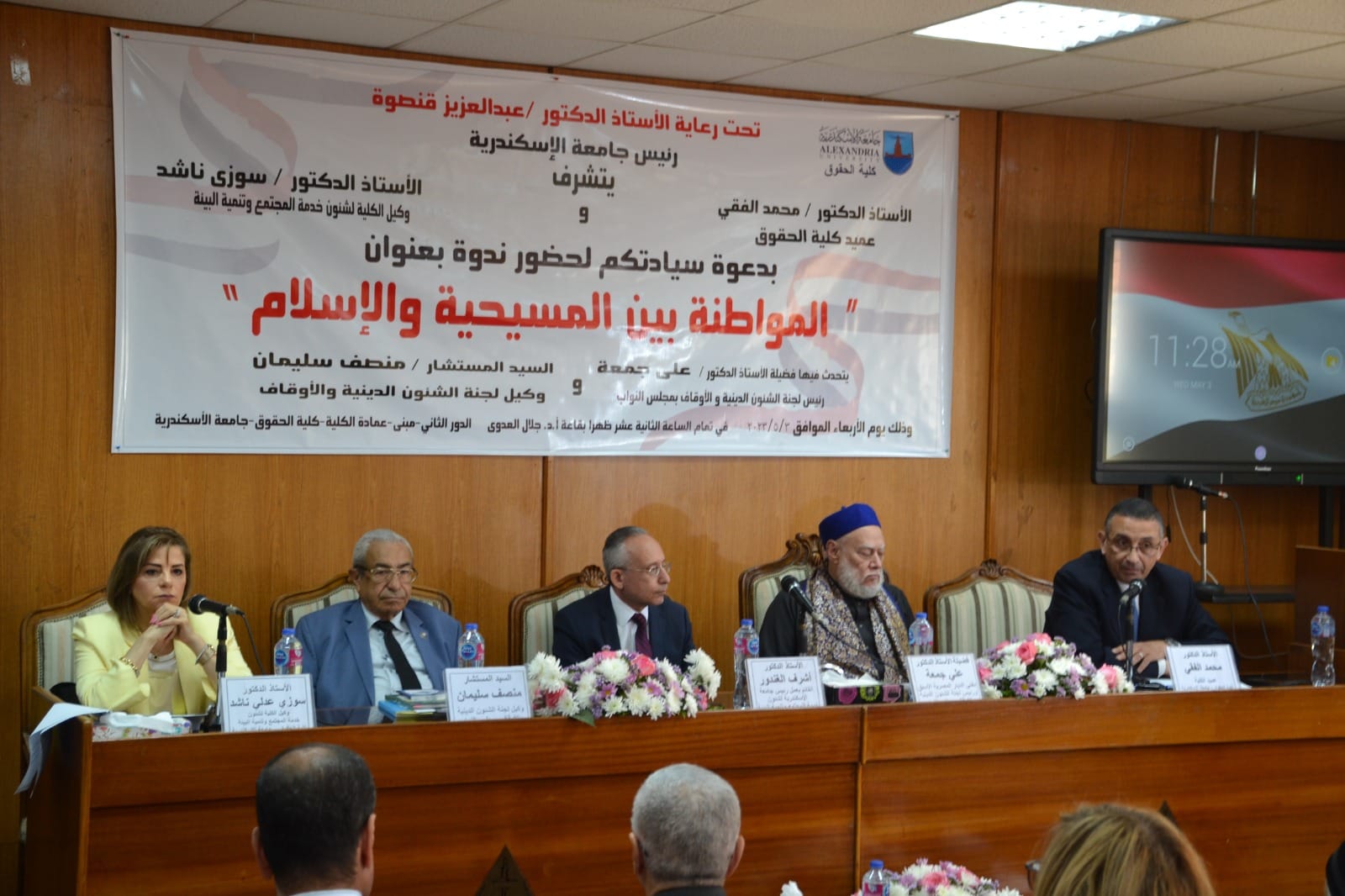
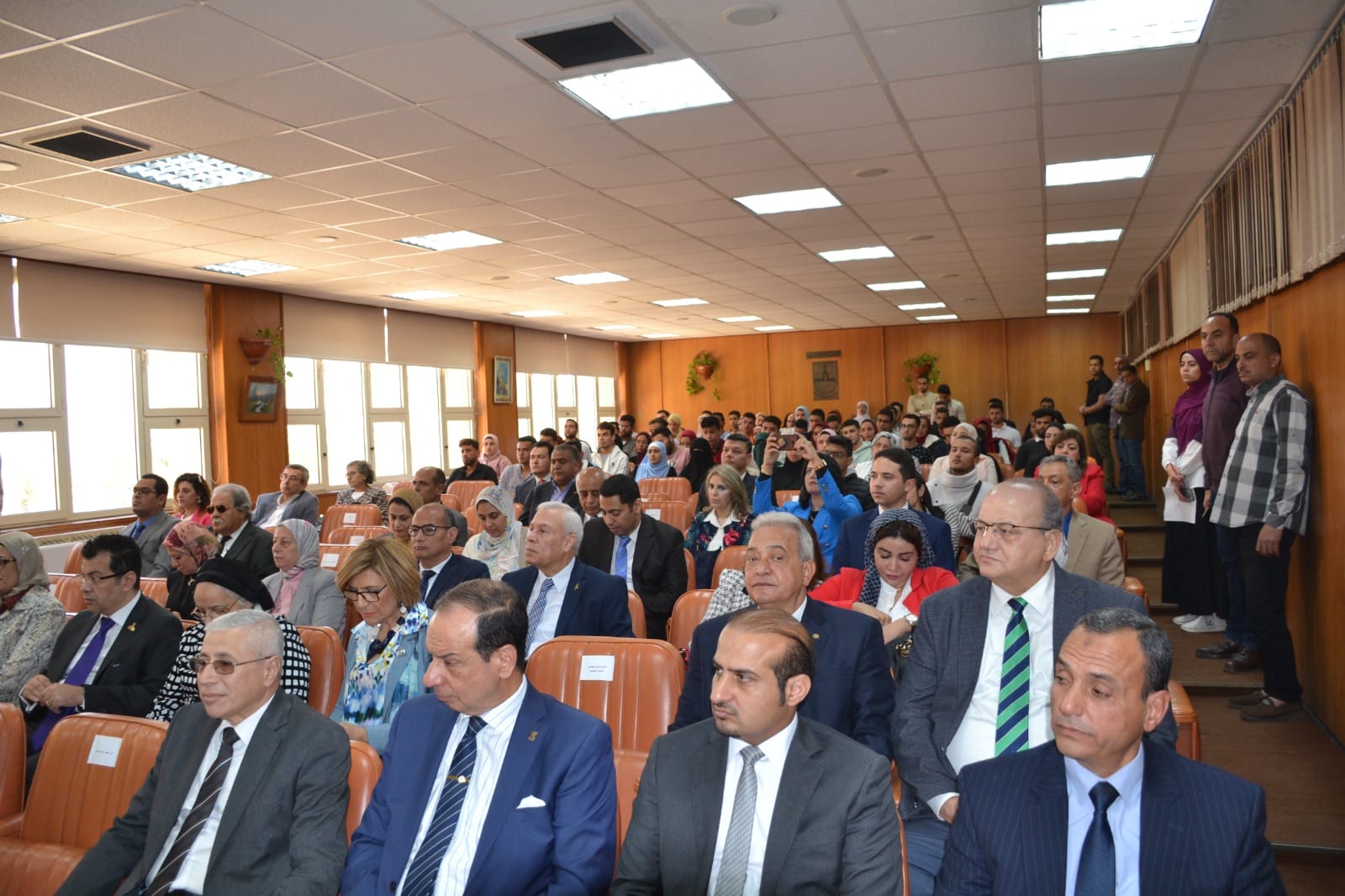
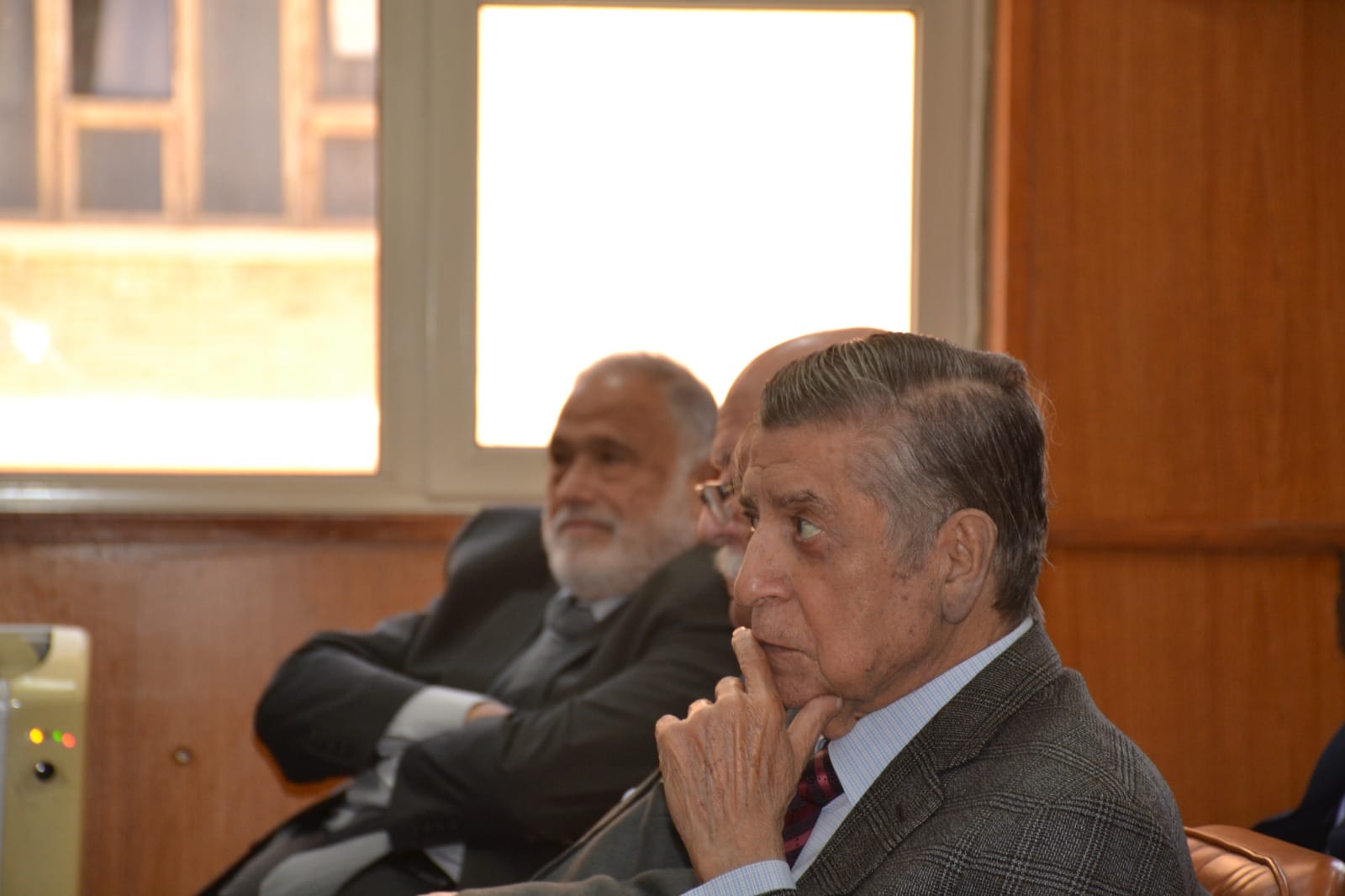
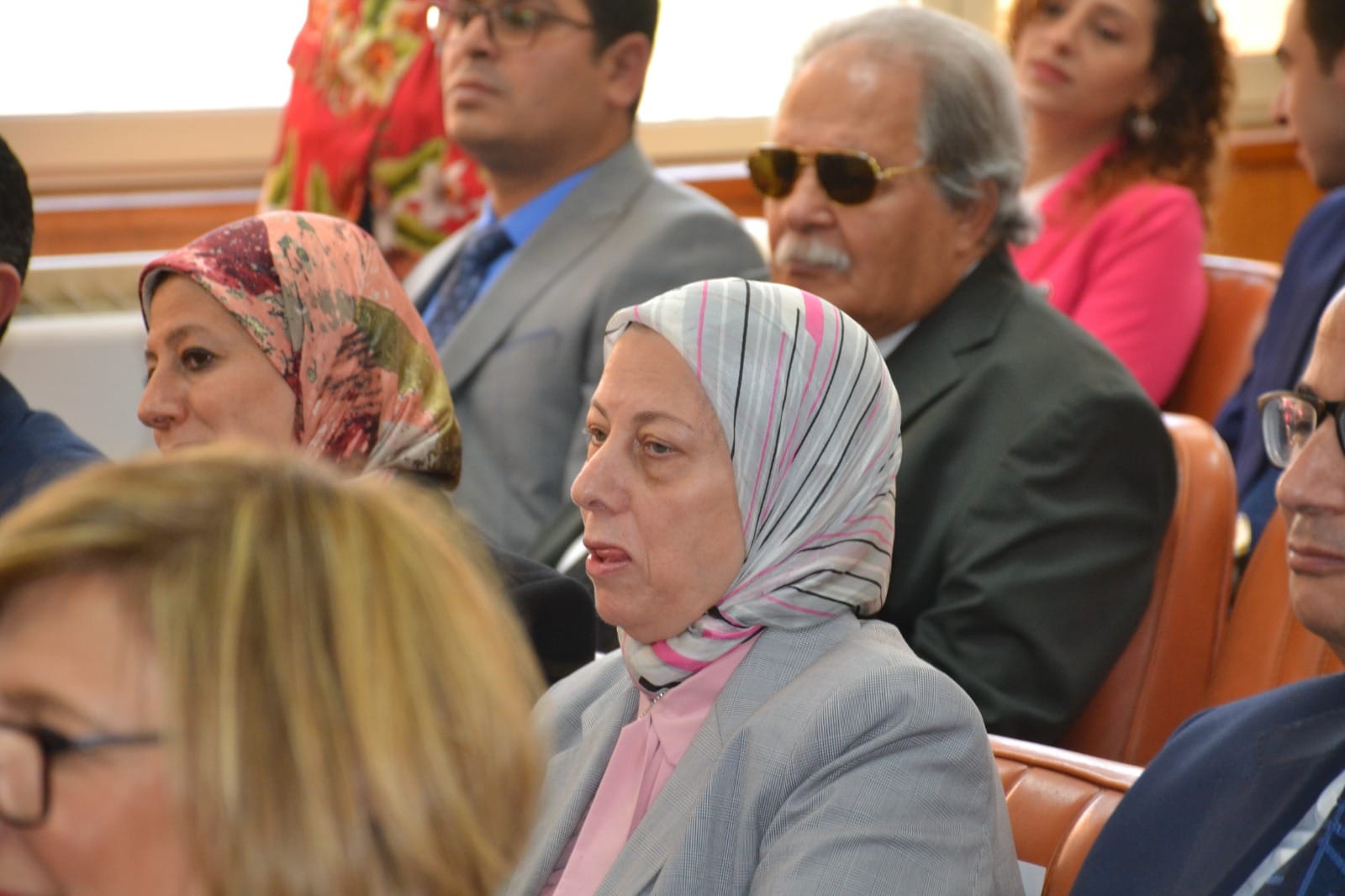
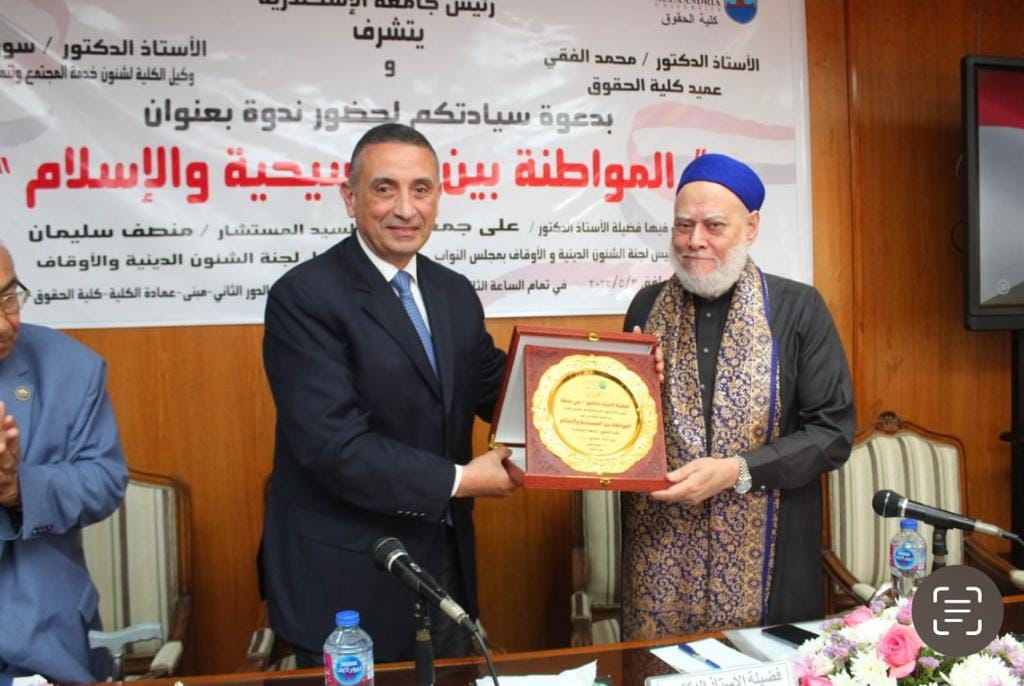
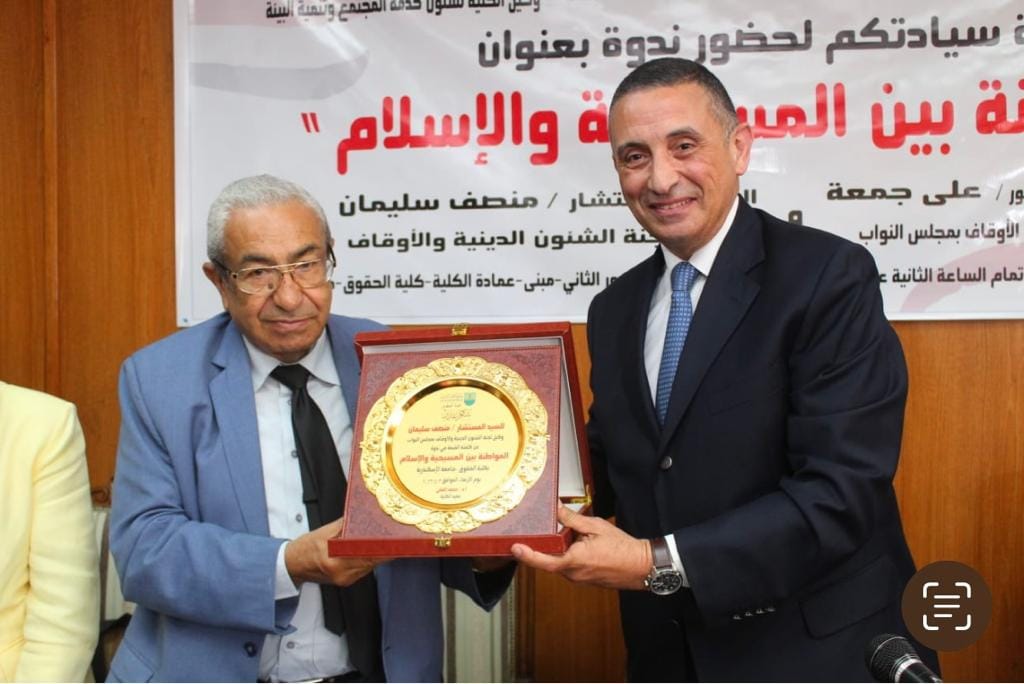
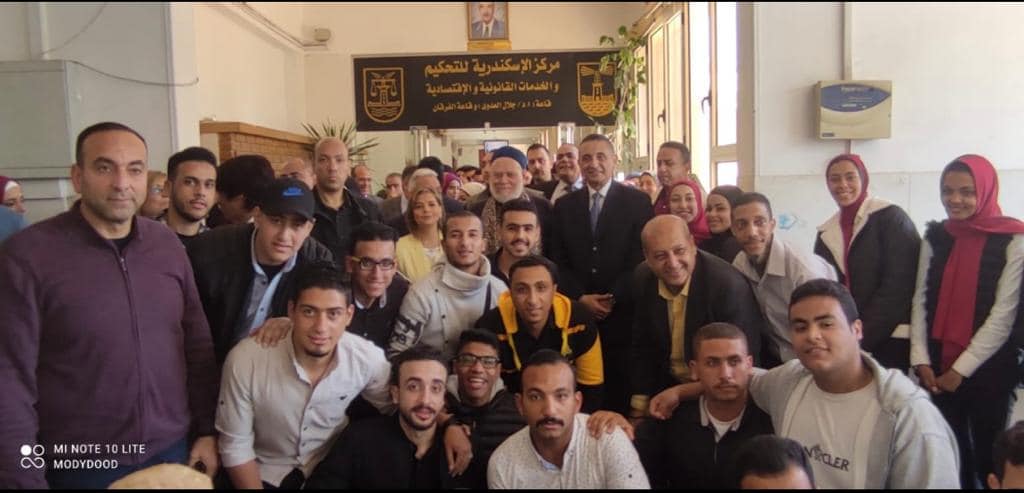
Dr. Ashraf El-Ghandour, Vice President of Alexandria University for Postgraduate Studies and Research Affairs, on behalf of Dr. Abdelaziz Konsowa, President of Alexandria University, participated this afternoon in the educational symposium organized by the Faculty of Law under the title "Citizenship between Christianity and Islam", In which the speakers were Dr. Ali Gomaa, the former Grand Mufti of Egypt, and Chairman of the Religious Affairs and Endowments Committee In the House of Representatives, and Judge Monsef Suleiman, Undersecretary of the Religious Affairs and Endowments Committee in the House of Representatives, at the headquarters of the Faculty of Law in Shatby. The event was attended by Dr. Mohamed El-Feki, Dean of the Faculty of Law, Dr. Mohamed Abdellah, former President of the University, Ambassador Mazeed Al-Huwaishan, Consul of the Kingdom of Saudi Arabia In Alexandria, Judge Saad El-Saadani, President of the Alexandria Judges Club, Judge Sadek Belal, President of the Economic Court in Alexandria, as well as deans and vice-deans of faculties, a number of members of judicial bodies, In addition tofaculty members and faculty students.
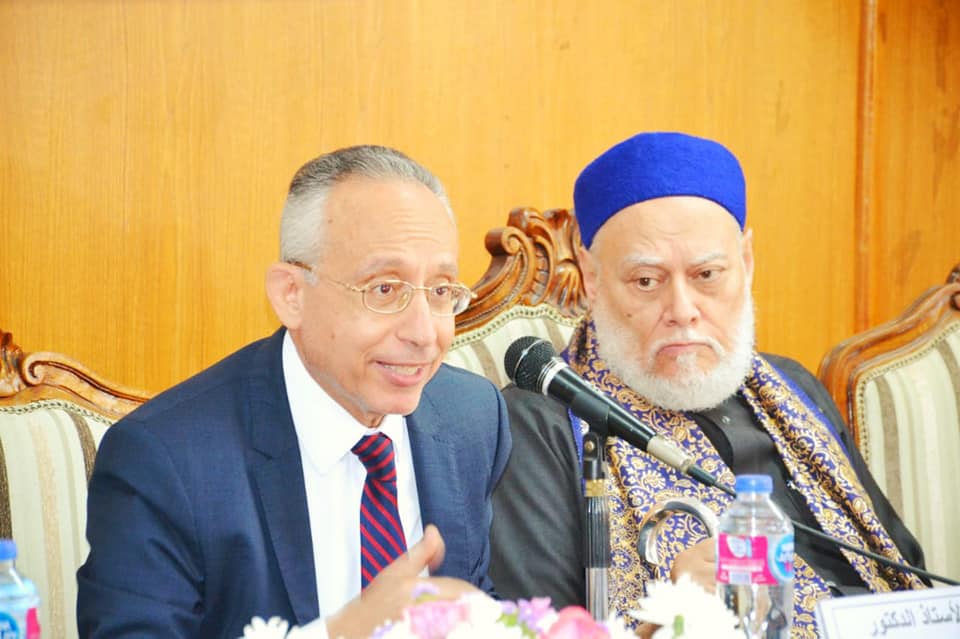
In his speech, Dr. Ashraf El-Ghandour welcomed the guests of the seminar at Alexandria University, stressing its importance in shedding light on the value of citizenship as a basis for coexistence in society. He stressed the university's keenness to organize such seminars to give students the opportunity to listen to national figures and great experiencees in all fields, with the aim of raising awareness and enhancing their values of patriotism and sense of belonging among them. He expressed his wish that the culture of citizenship will prevail among all members of society, as it represents the only way for the development and advancement of societies.
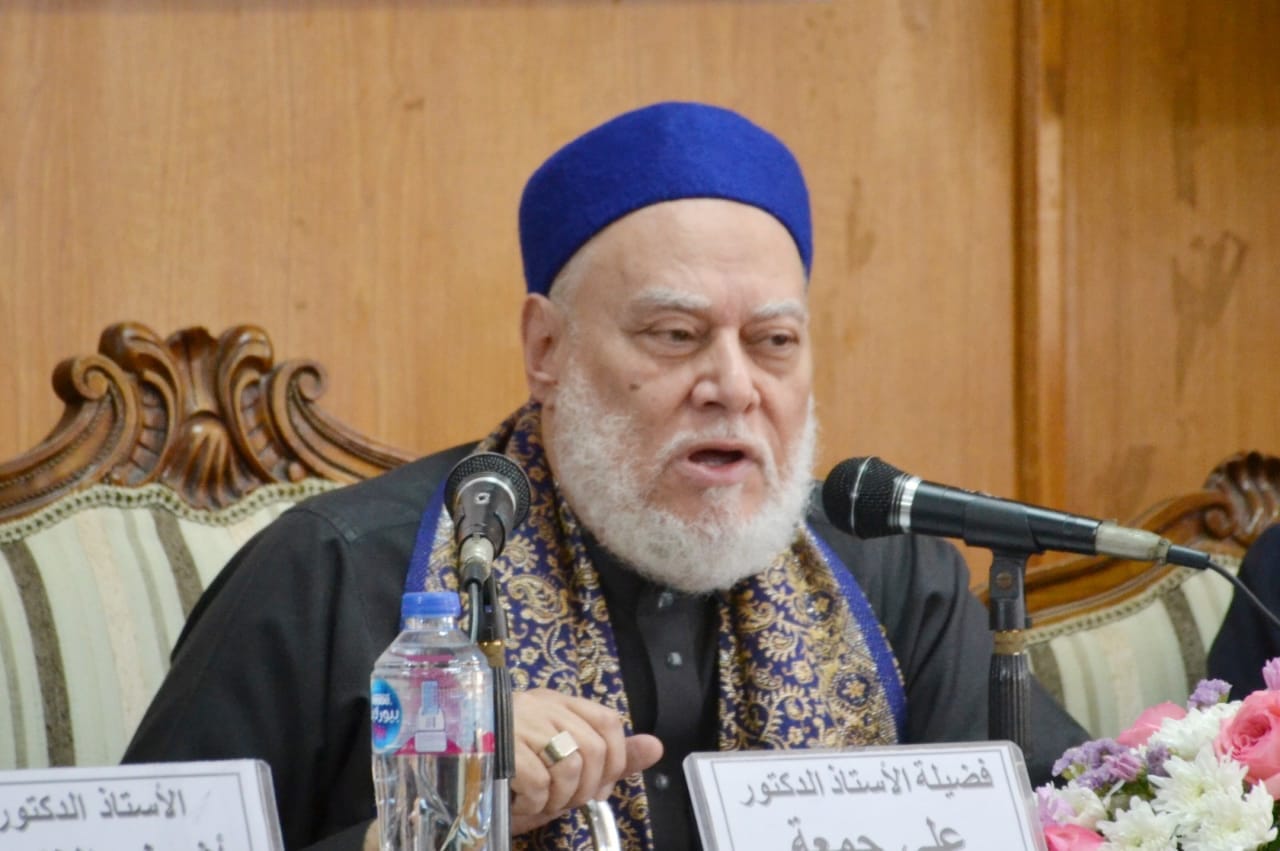
Dr. Ali Gomaa expressed his pleasure for being at Alexandria University and discussing contemporary issues with university students. He stressed the importance of making efforts to spread culture, build minds, and highlight the concept of citizenship in the modern era, which represents a social contract between the Individual and the state, whichh is what the concept of nationality, upon which the rights and duties of the individual in society are built on. He referred to the realization of this concept In Islamic history through several models In the era of the Prophet Mohamed and the rightly guided caliphs, through several images In the societies of Mecca, Medina and Abyssinia, and he added that the state in Islam Is a civil state that differs from religious and secular states in that It is based on the separation of the legislative, judicial and executive powers, but on the condition that the legislation is within the framework of the principles of Islamic law, which means that citizenship is the safest way to coexist in the current era.
Judge Monsef Suleiman Indicated that religions establish the concept of citizenship, as the essence of religions Is mercy, tolerance, and benevolence. This concept was manifested In the common history between Muslims and Christians several times, most notably when they participated together in the 1919 revolution, and then formed a delegation that addressed the British authorities headed by leader Saad Zaghloul. Muslims and Christians together also participated in the constitution writing committees throughout history. Mr. Suleiman stressed the support of Christianity for this concept through the prayers that are recited for security, safety, peace, and stability for all. He also pointed to the role of youth in maximizing the positives and facing the challenges facing our dear homeland.
In his speech, Dr. Mohamed El-Feki, Dean of the Faculty of Law, referred to the role of the faculty in carrying out Its social responsibility towards civil society in all Its sects, In addition to its educational and academic mission. He said that choosing the topic of citizenship as a title for the seminar came due to Its importance in the stability of countries and the preservation of their security and safety, being one of the most Important means of progress and advancement. He explained that what is meant by citizenship here is inclusive citizenship as a framework that accommodates everyone, and as the highest expression that describes the nature of the relationship between the individuals and the society to which they belong. Dr. El-Feki also pointed out the important role of religious institutions in always urging to strengthen and mobilize citizenship, as religions and religious institutions remain the most capable of consolidating the foundations of sound citizenship in Arab societies based on the upbringing of their members on human values.
Dr. Suzi Nashed, Vice Dean for Community Service and Environmental Development, confirmed that nationality Is the legal basis for the exercise of citizenship, as the principle of citizenship was stipulated In the Egyptian constitution, explaining that this concept Is considered a ruler for all articles of the Egyptian constitution and laws.
The seminar witnessed a great interaction from the attendees and rich discussions that confirmed the awareness and culture of the university students, calling for the repetition of such outstanding cultural symposiums.
Assignment of Dr. Ghada Abdel Moneam as acting dean of the Faculty of Arts
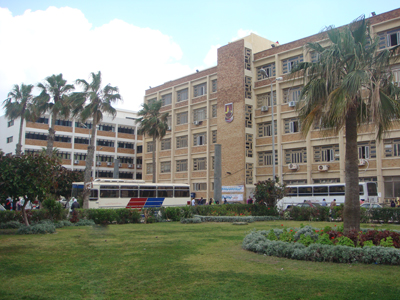
Alexandria University President Dr. Essam El-Kurdi issued a decision to assign Dr. Ghada Abdel Moneam Musa as acting dean of the Faculty of Arts starting from 1/8/2017 beside her current position as faculty deputy for Community Service and Environment Development.
Faculty of Education Hosts Novelist Essam Youssef in "Geniuses and Community Awareness" Seminar
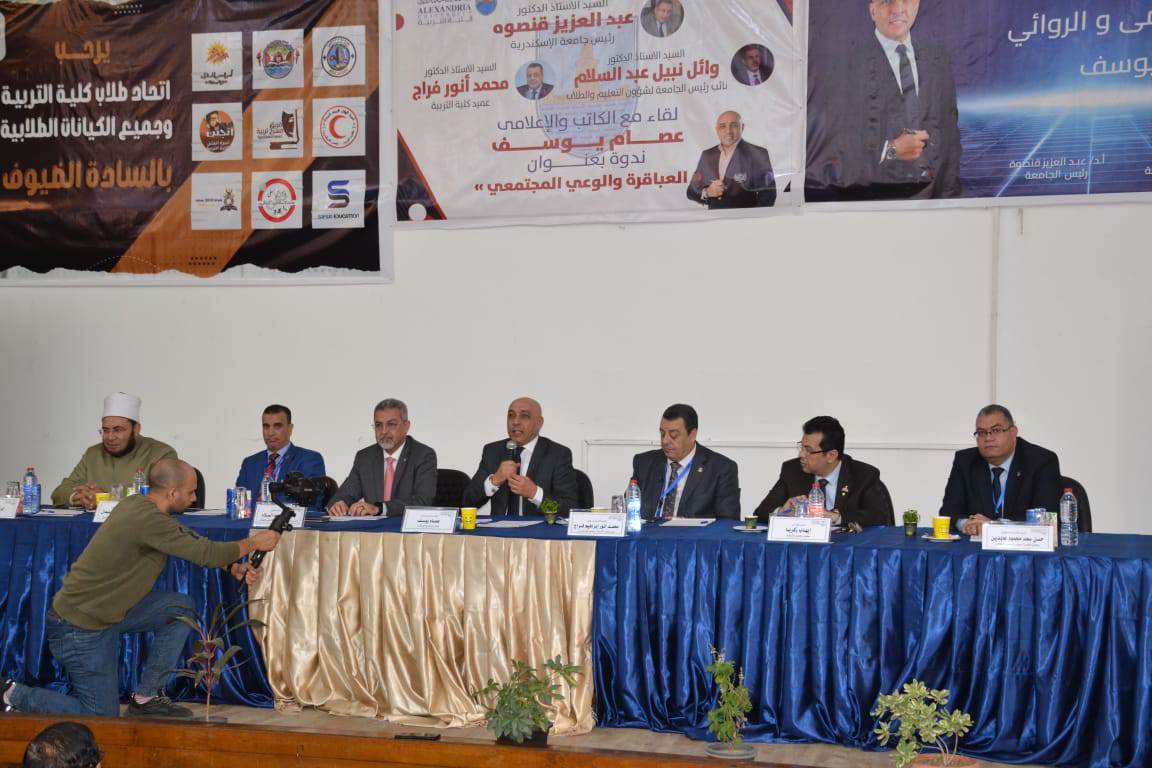
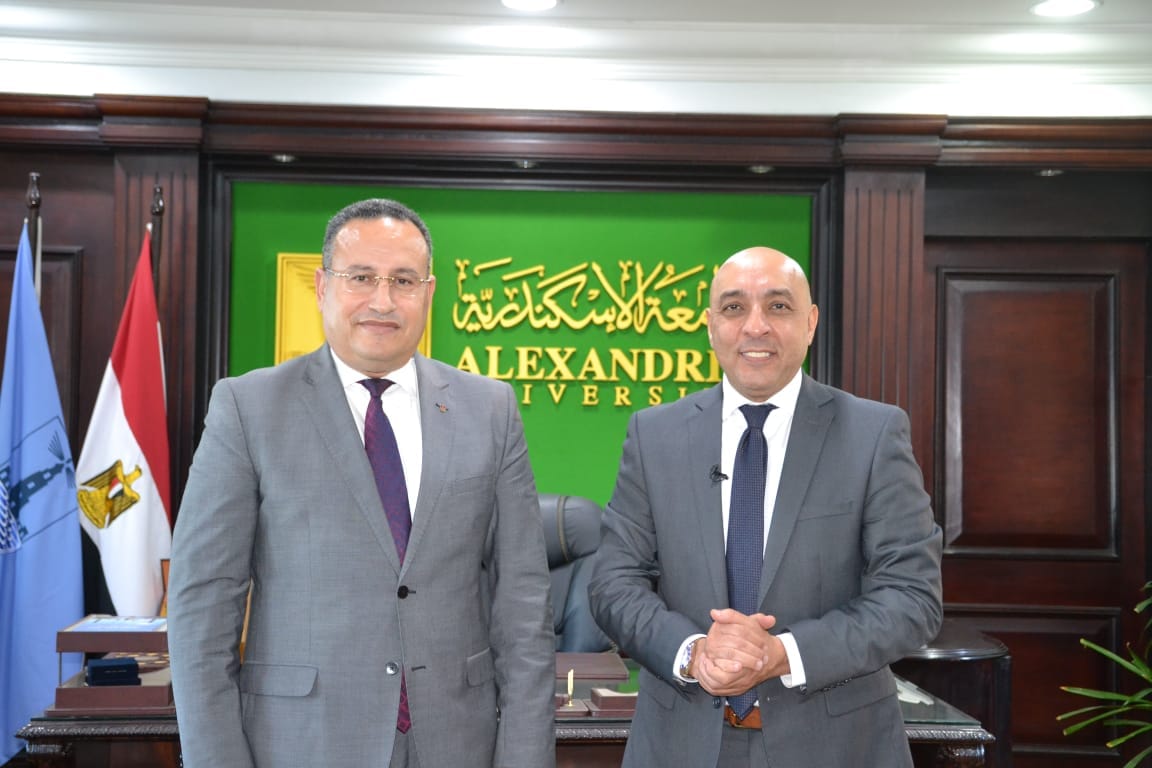
Professor Dr. Abdelaziz Konsowa, President of Alexandria University, received the writer and novelist Essam Youssef, presenter of the "Geniuses" TV game show, where he gave him the university's shield in appreciation of the cultural and educational role he plays through his purposeful "Geniuses" programme. He stressed that the university would continue this success and will spread the idea of these competitions among students of different faculties to contribute to raising their intellectual and cultural level.
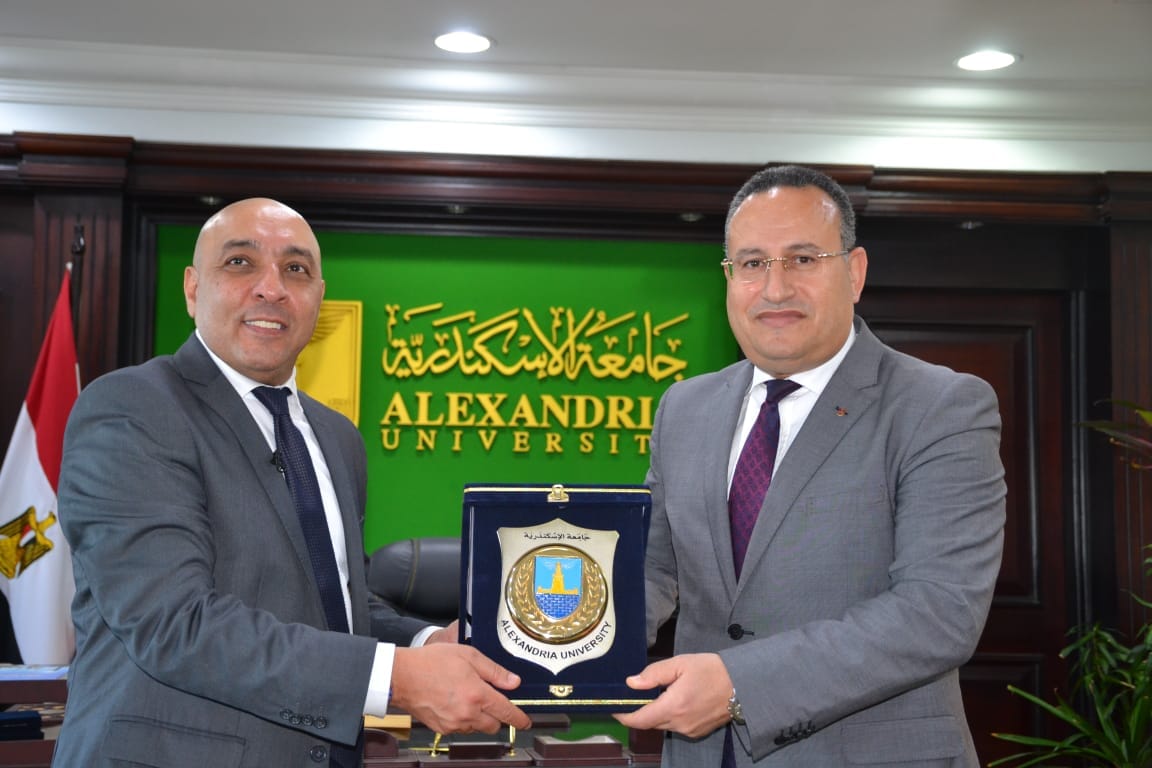
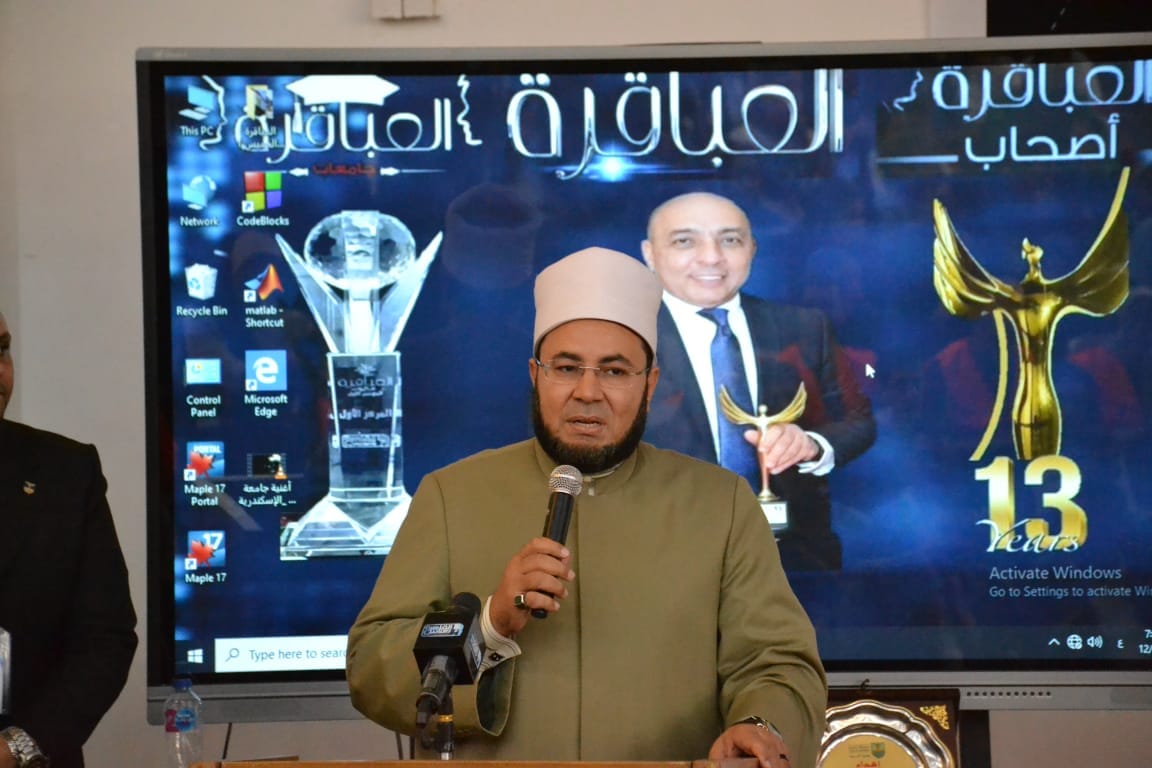
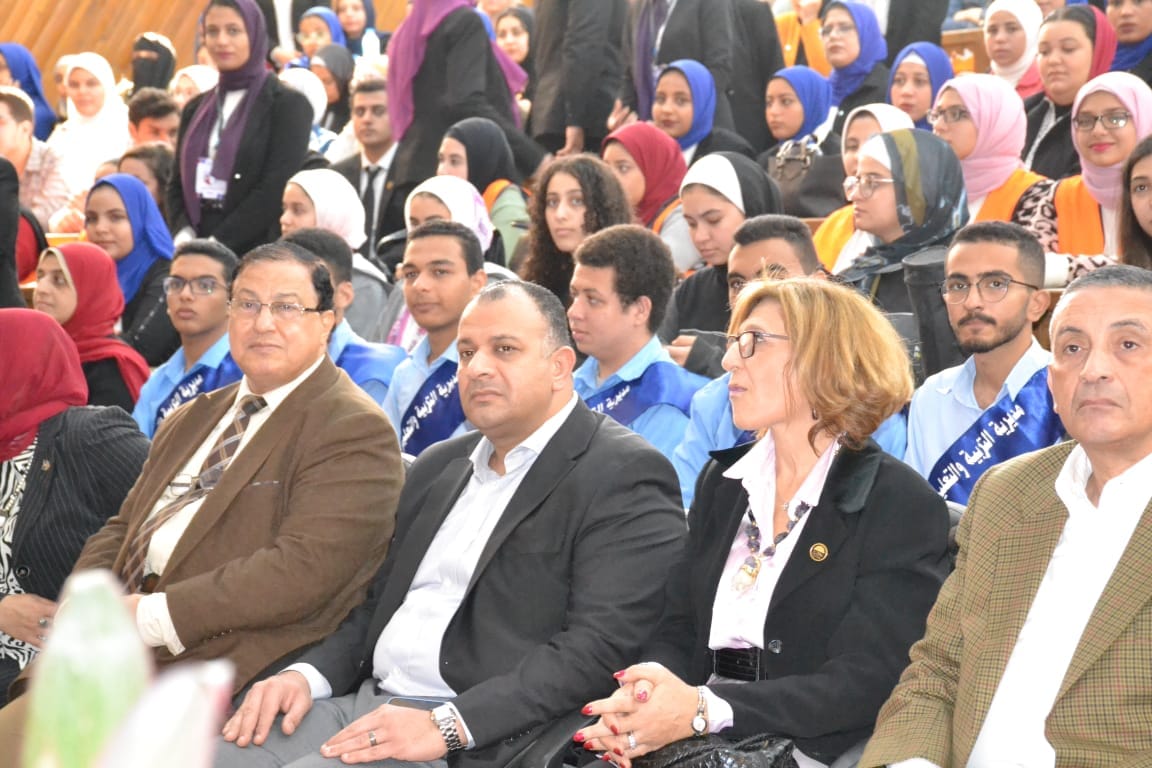
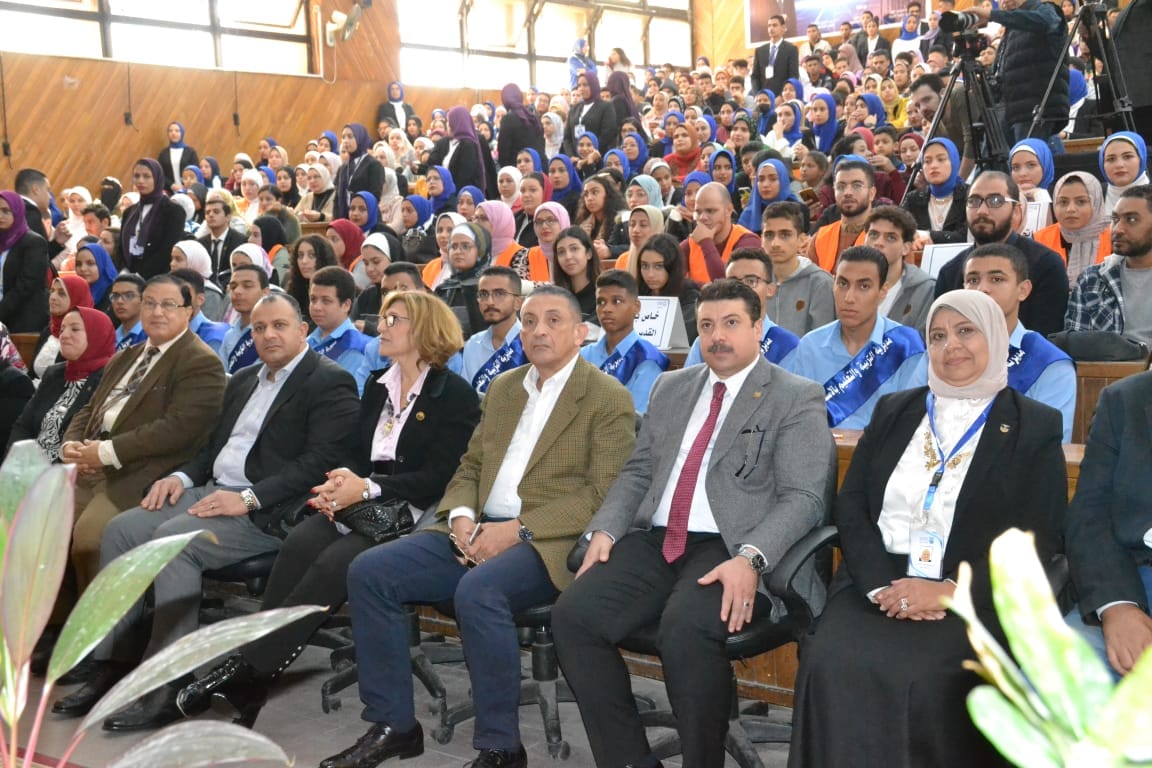
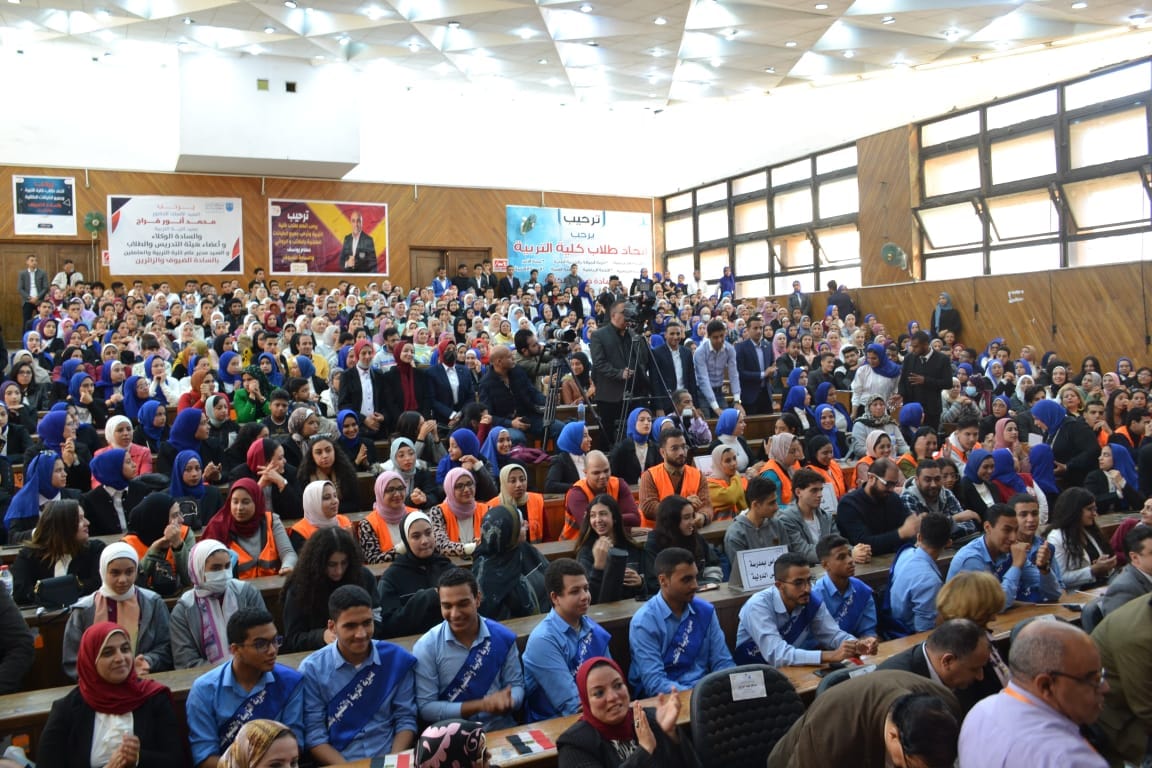
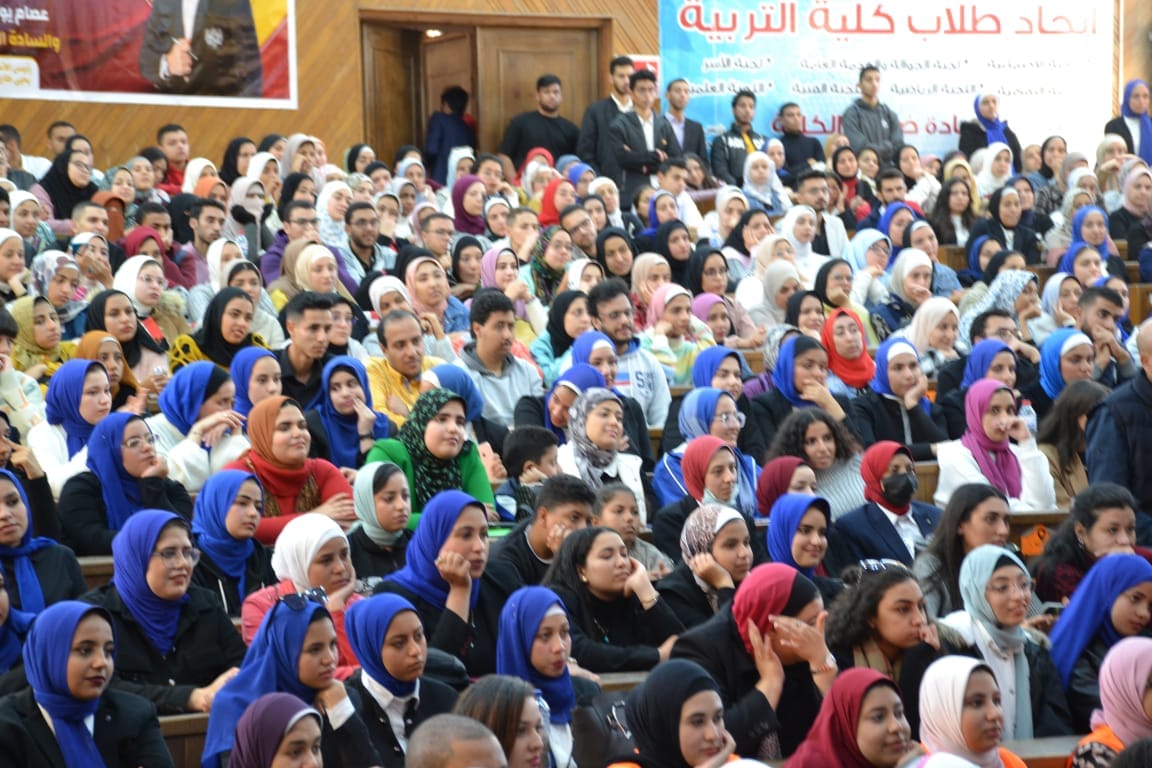
Mr. Youssef had met earlier with Alexandria University students in an educational seminar organized by the Faculty of Education under the title "Geniuses and Community Awareness". Among the participants in the seminar were Dr. Wael Nabil, Vice President of Alexandria University for Education and Student Affairs, Dr. Mohamed Anwar Farrag, Dean of the Faculty of Education, Sheikh Ibrahim El-Gamal, Secretary of the Family House in Alexandria, Dr. Hassan Abdeen, Vice Dean of the Faculty of Education for Education and Student Affairs, Dr. Salem Abdelrazek, Vice Dean of the Faculty of Education for Community Service Affairs, Mr. Ehab Zakaria, member of the Parliament, as well as several deans and vice deans of faculties, in addition to a group of professors, thinkers, and intellectuals in Alexandria.
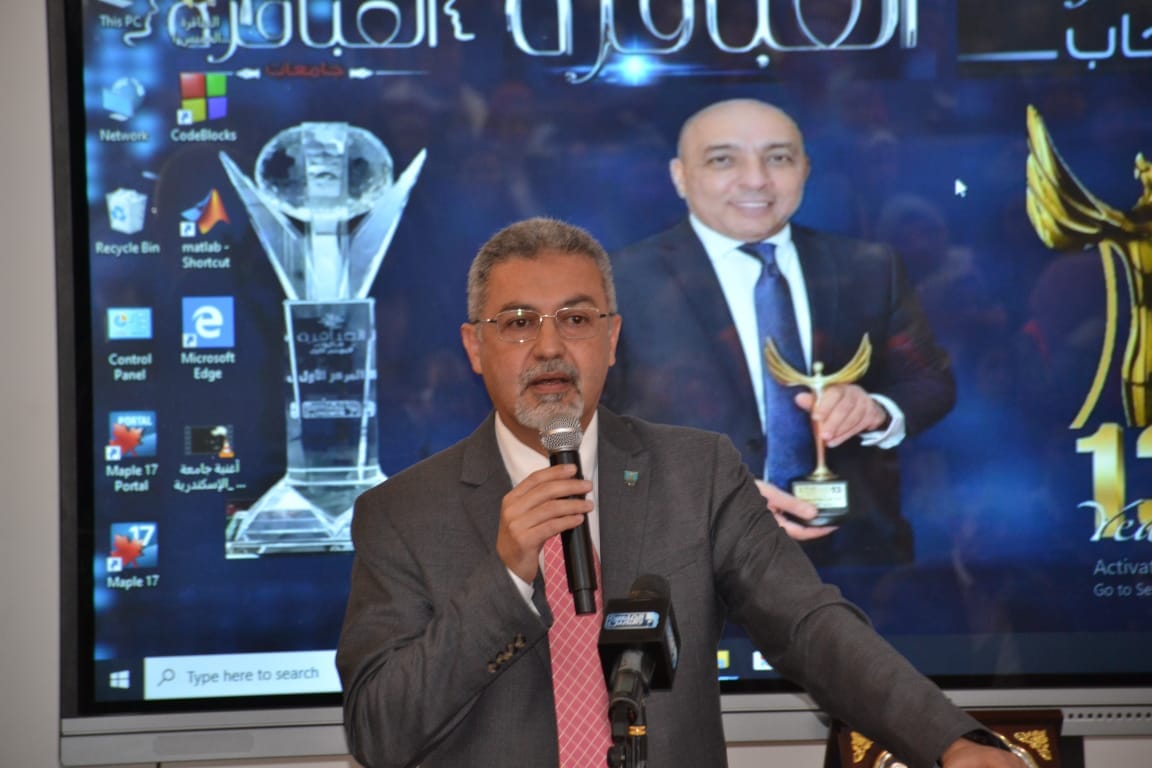
In his speech, Dr. Wael Nabil expressed his pleasure with the participation of this large number of students who represent the future of the new Egypt, stressing the importance of benefiting from the experience of the “Geniuses” TV programme and trying to employ it educationally to push students to learn, adding that the role of the university is no longer limited to science, but rather includes organizing such meetings, which contribute to increasing students' cultural awareness and knowledge. He also indicated that Alexandria University's participation in the “Geniuses” programme represents a qualitative and creative breakthrough that can be used as a competitive educational strategy.
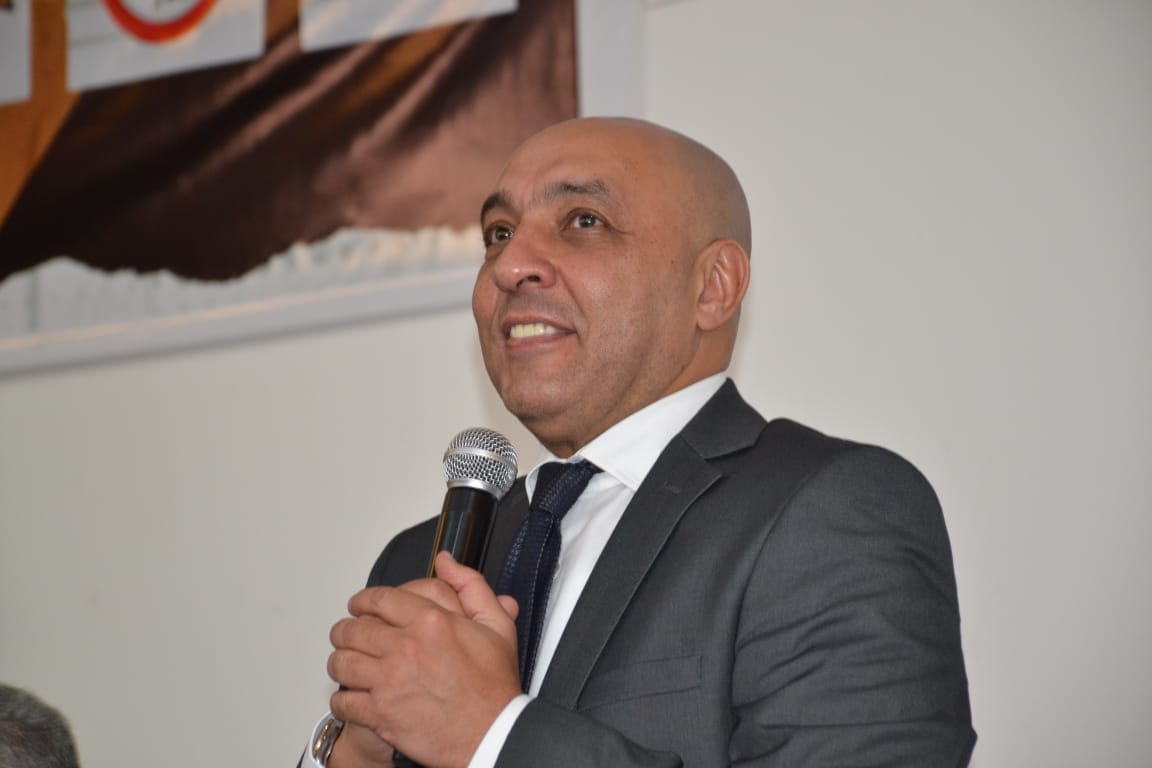
Writer and TV host Essam Youssef explained that he is happy to be in Alexandria University, a fortress of knowledge, assuring the students that one of the most important reasons for success is to have a dream they seek to achieve with perseverance and diligence. He added that geniuses, talented and creative people represent the hope of the nation with their talents and capabilities. He also explained that the idea of the "Geniuses" programme represents a qualitative and creative breakthrough that can be made use of by its implementation on a large scale within schools and universities, to bring about a noticeable change in the psychological and academic aspects of students as future investment projects.
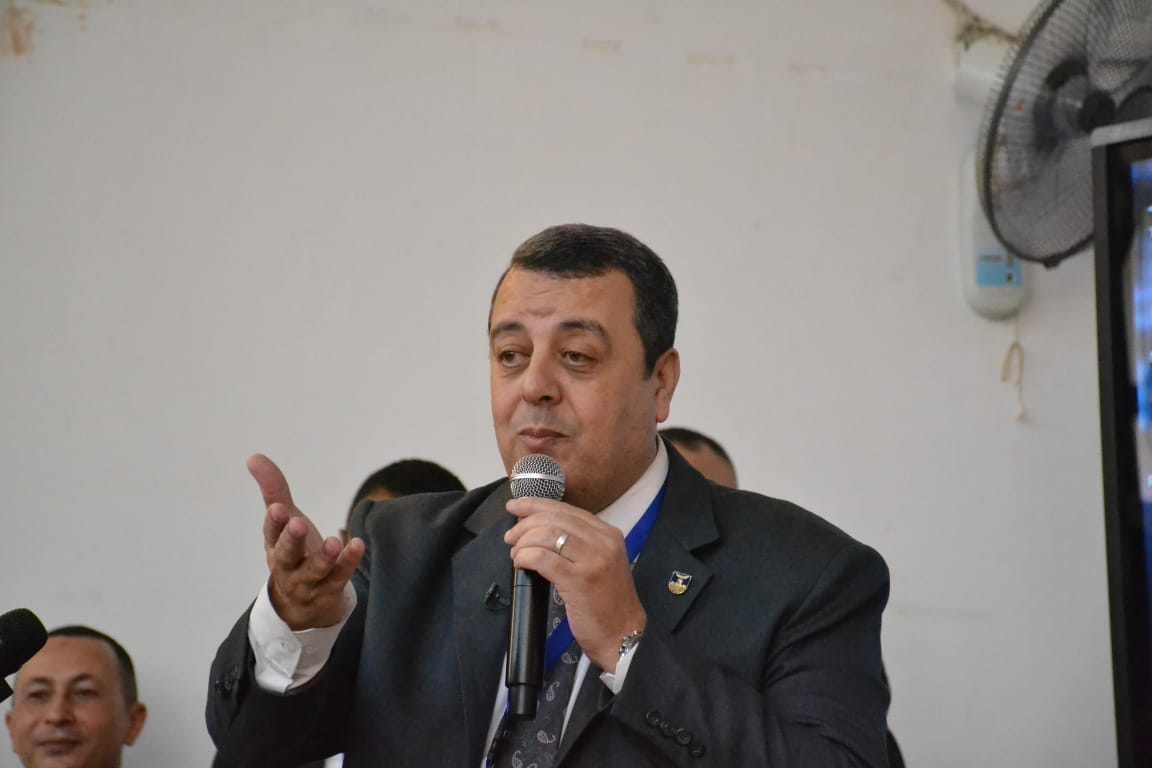
In his speech, Dr. Mohamed Anwar Farrag, Dean of the Faculty of Education, emphasized that the “Geniuses” TV programme is a pioneering and unique Egyptian experience based on honest competition among students in a creative scientific atmosphere, that instils noble educational values in the hearts of students, that may exceed what educational systems have provided over the decades. He indicated that the “Geniuses” programme is the most powerful way that makes the students, whether in Egypt or in the Arab world, search for information by themselves, whether in science, arts, literature, technology, or history. It establishes the concept of self-education and spontaneous activity, and this principle has become necessary in modern education systems.
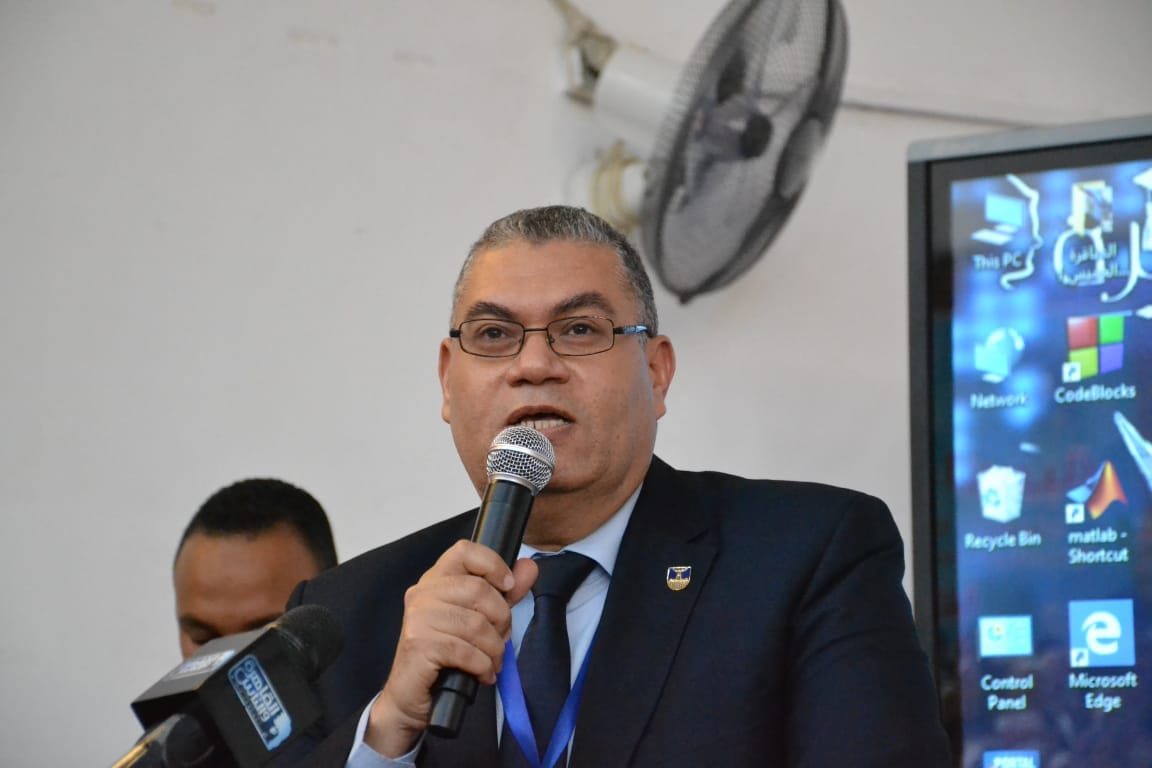
Dr. Hassan Abdeen, Vice Dean of the Faculty of Education for Education and Student Affairs, stressed the importance of discovering geniuses through nomination by their peers, holding various tests and having certain standards, indicating that this does not end when geniuses are discovered, but rather they must be cared for and nurtured by urging them to persevere and endure difficulties, and training them to solve problems that they encounter.
Faculty of Physical Education in Abu Qir Participates in "Sportsexpo Exhibition and Conference" Largest Sports and Scientific Event in Egypt
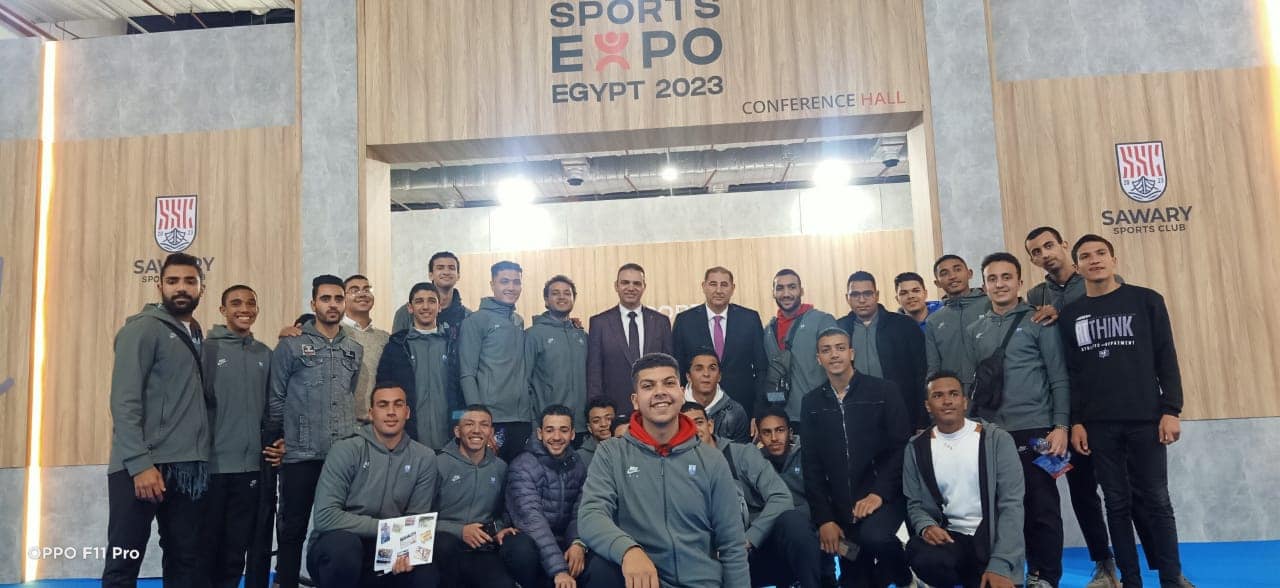
The Faculty of Physical Education in Abu Qir - Alexandria University participated as an academic partner in the largest scientific sports event in Egypt, "Sportsexpo Exhibition and Conference", which was organized by the Ministry of Youth and Sports under the auspices of His Excellency President Abdel Fattah El-Sisi, President of the Republic, from 22-25 February 2023 at "El Manara" Conference Center. It was inaugurated by Dr. Mostafa Madbouly, Prime Minister, in the presence of a large number of ministers and officials, a group of heads of sports federations, experts and academics in the sports field in Egypt and the world.
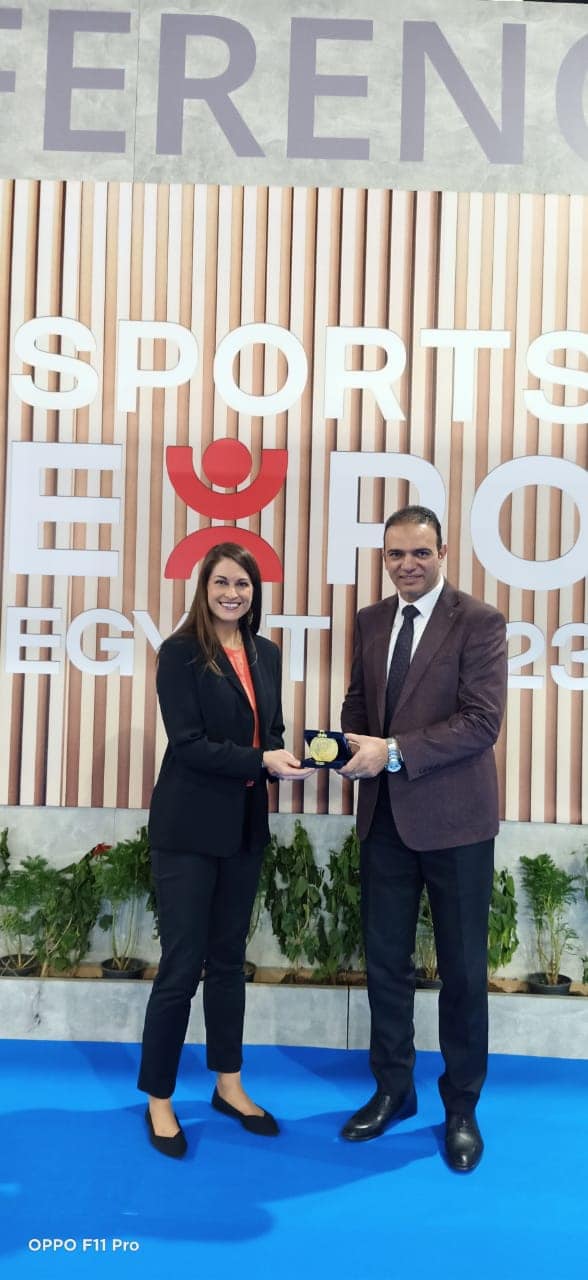
Dr. Mohamed Belal, Dean of the Faculty, indicated that the faculty contributed to the organization and participation in the conference with a number of scientific sessions through several faculty members, with the aim of enriching the scientific side and linking the faculty with members of the sports industry in Egypt, based on the directives of His Excellency President Abdel Fattah El-Sisi, President of the Republic, paying attention to sports and health and the role of the faculties of physical education in developing the capabilities of Egyptian youth from both health and physical aspects.
He added that the faculty students participated in the conference and exhibition, which represented their first professional experience and had a positive impact on all of them.
Faculty of Physical Education in Abu Qir Organizes Second Sports Medicine Scientific Forum
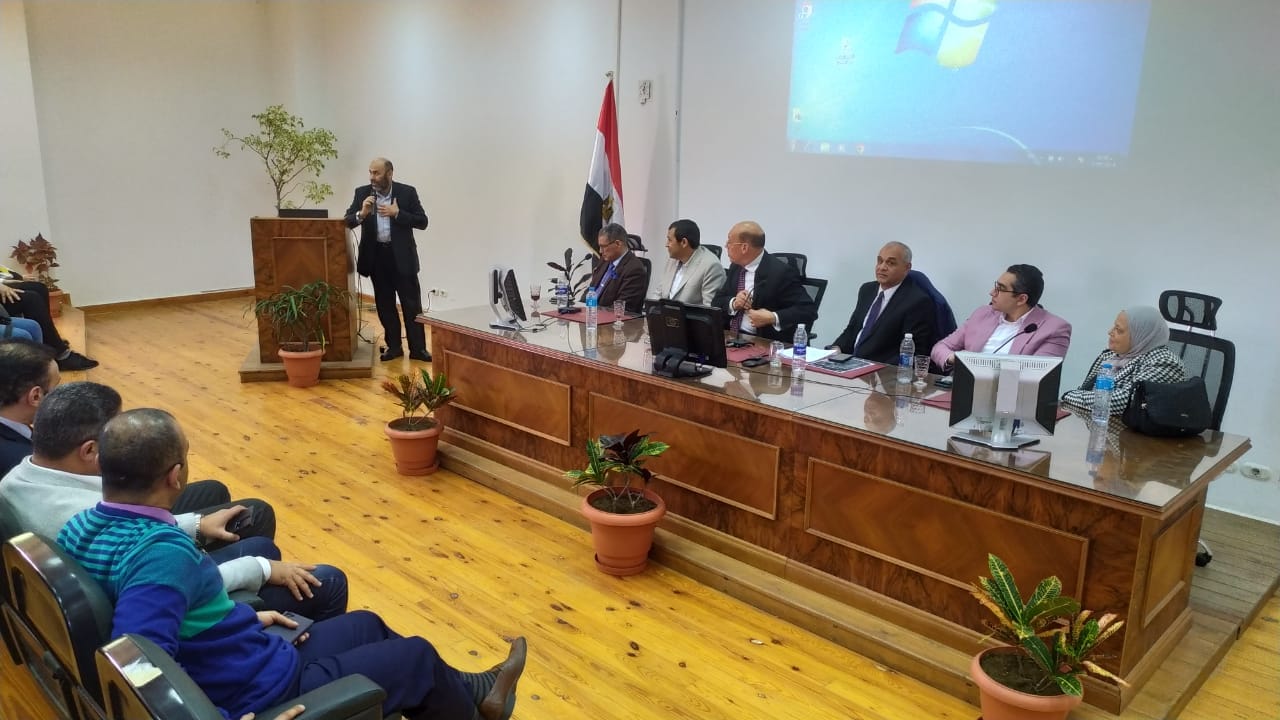
Under the auspices of Professor Dr. Abdelaziz Konsowa, President of Alexandria University, the Faculty of Physical Education for Men in Abu Qir organized the second scientific forum in sports medicine and locomotor system research. It was held under the title “Together We Can: Anti-doping in the Sports Field” at the conference hall of the faculty, in the presence of a group of faculty members, employees and students.
Dr. Mohamed Belal, Dean of the Faculty, indicated that the conference comes within a series of scientific forums for sports medicine and locomotor system studies, which the college is keen to organize in the presence of specialists in this field.
During the forum activities, Dr. Maged Osama, Secretary General of the Association of Clinical Nutritionists in Alexandria, held a lecture on nutritional supplements - their benefits and harms, and ways to combat stimulants, and the role of the International Anti-Doping Organization (WADA). Mohieddin Nabil Al-Jaafari, sports pharmacist and anti-doping consultant at the Medical Committee of the Egyptian Football Association and the Egyptian Olympic Committee, about some medicines that are used as nutritional supplements and their danger to humans and the danger of using some cold medicines, which are considered prohibited substances for athletes. Sahar Issa, Professor of Forensic Medicine, Clinical Toxicology, and Medical Ethics at the College of Medicine, on ways to combat doping and its danger, considering it a means of fraud by some individuals to win a position or a medal at the expense of others, stressing the danger of these substances to the kidneys, liver, and human health. Majdi Mustafa Al-Sabbagh, Consultant Sports Medicine, Bone, Joint and Rheumatology Diseases and Director of Sports Medicine at the Olympic Center for National Teams, Member of the Doping Committee of the International Federation of Weapons FIE), on how to take samples from players directly after sports competitions and how to send them to international laboratories for analysis, then he talked about anti-doping And its danger to the health of athletes and how the International Anti-Doping Organization (WADA) was established, which approved several provisions, rules and laws to limit the spread of doping among athletes participating in the International Olympic Games. Osama Ghoneim, former CEO of the Egyptian Anti-Doping Organization and former Undersecretary of the Ministry of Youth and Sports for Sports Medicine.
Prof. Dr. Akram El-Dawoudi, Consultant Orthopedic Surgeon and Arthroscopy at Alexandria University Hospitals, announced,
At the end of the meeting, the following recommendations were made:
1. Expanding the base of education and awareness for college students about the harmful effects of industrial doping on players and teams.
2. Conducting courses and seminars aimed at combating doping and learning about the harms and dangers of these internationally prohibited stimulants.
3. Adding an anti-doping subject in the college curricula, which is taught to students by amending the description of some subjects related to sports health and nutrition, to increase students' health awareness and to identify the dangers of taking internationally prohibited doping for athletes.
4. Organizing specialized courses in the field of anti-doping for athletes in the external community.