 English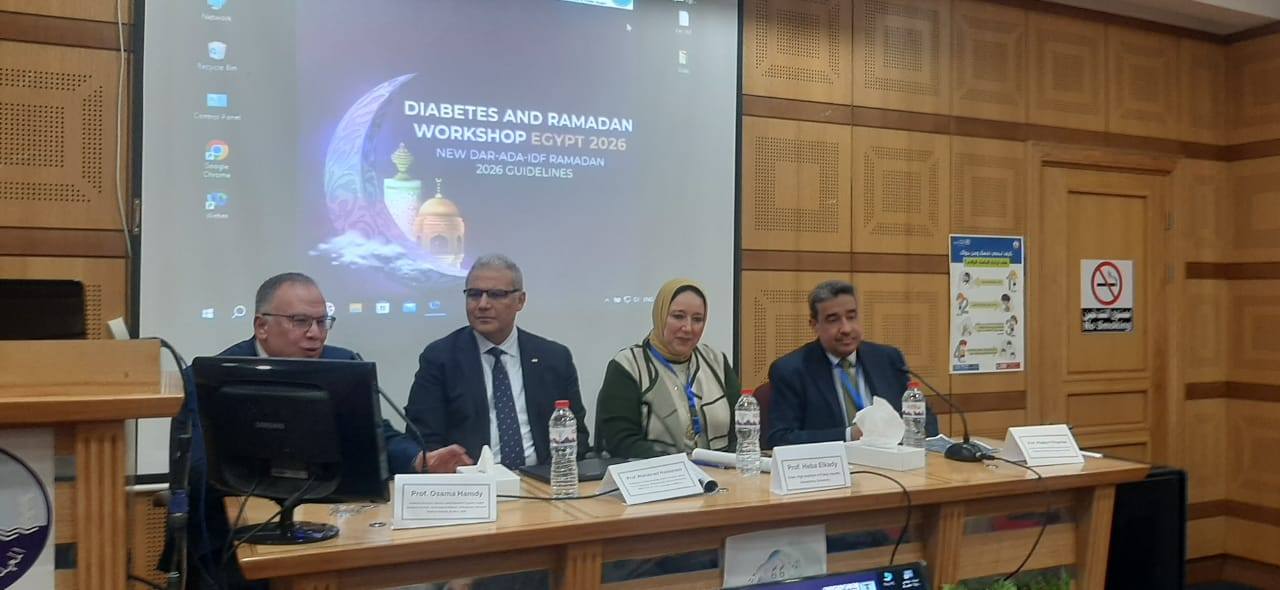
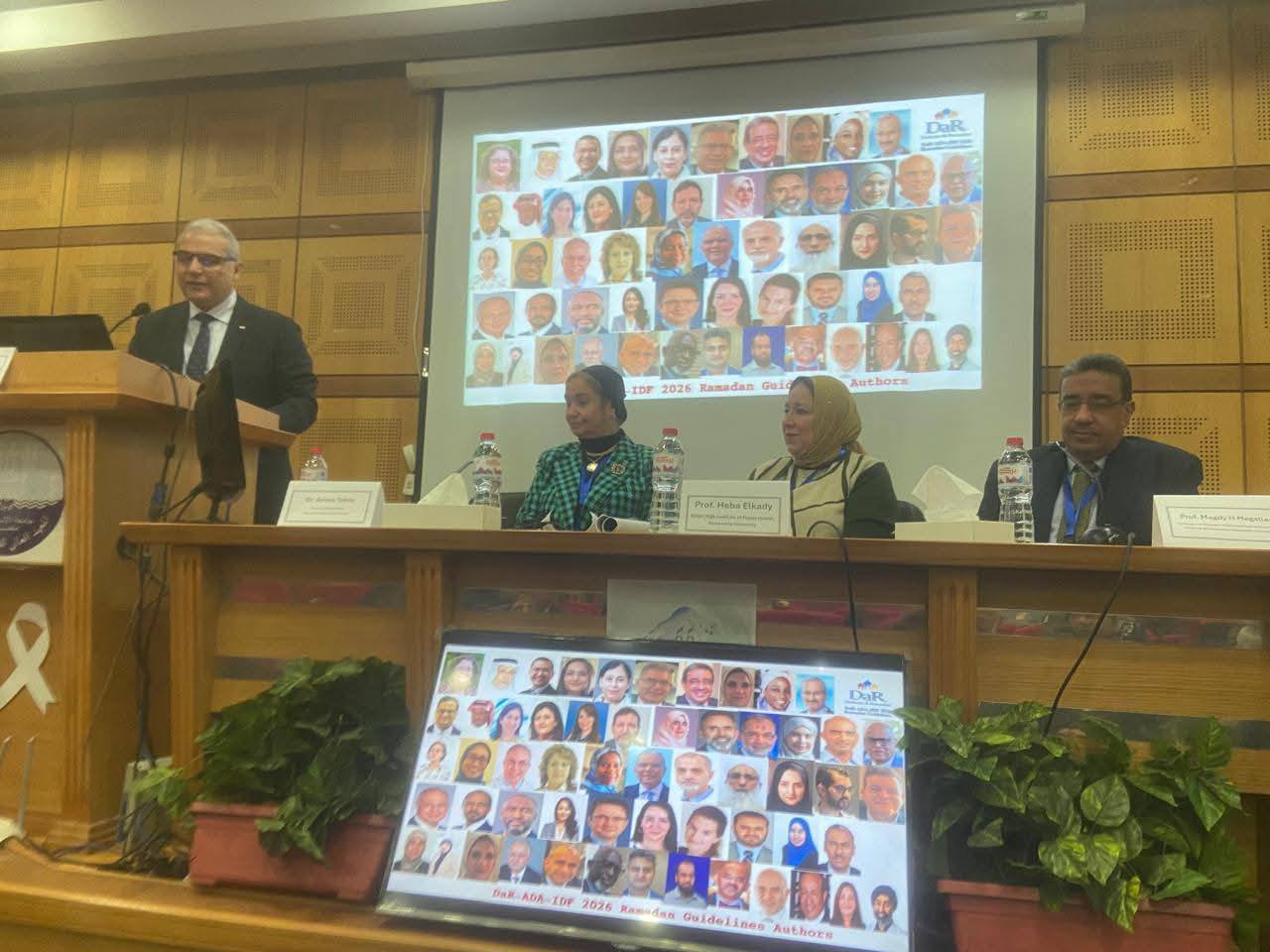
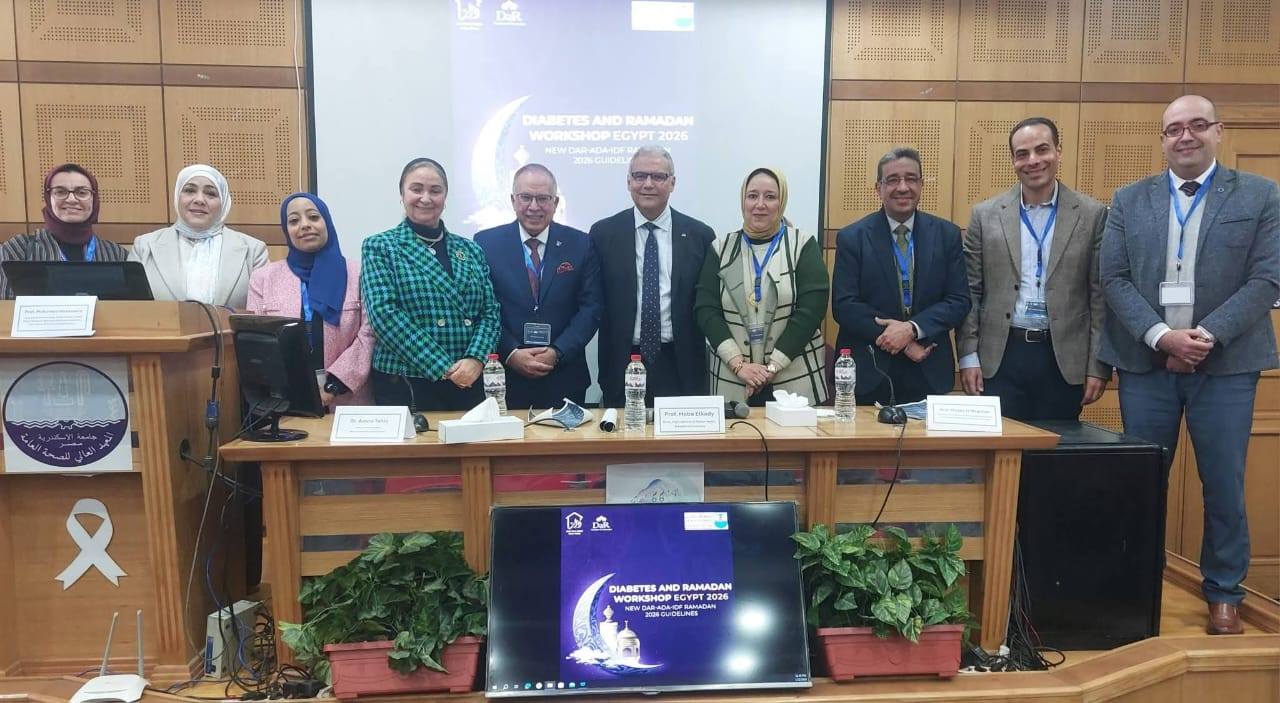
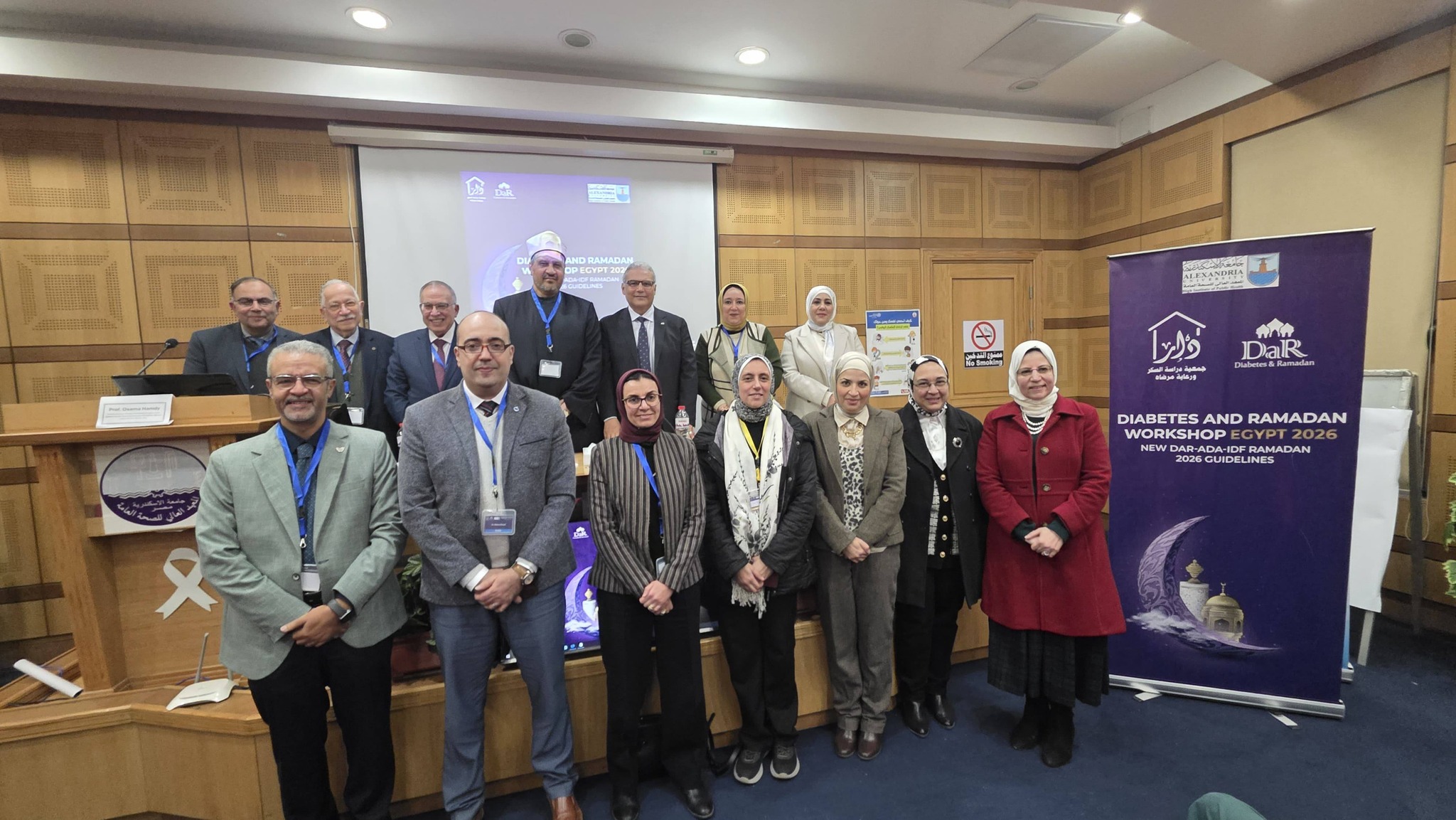
Under the auspices of Prof. Abdelaziz Konsowa, President of Alexandria University, the High Institute of Public Health, in cooperation with the Diabetes Association for Research and Care (DaR), organized a scientific workshop entitled “Diabetes and Ramadan – Egypt 2026”, on Thursday, January 22, 2026.
The workshop was organized under the supervision and attendance of Prof. Heba El-Qady, Dean of the High Institute of Public Health; Prof. Zeinab Sheta, Vice Dean for Community Service and Environmental Development; and Prof. Nashwa Azzam, Vice Dean for Postgraduate Studies and Research.
The workshop brought together a distinguished group of experts and specialists in the field of diabetes from Egypt and abroad. Participants included Prof. Mohamed Hassanein, Professor of Endocrinology at Mohammed Bin Rashid University in Dubai and President of the International Diabetes and Ramadan Alliance, and Prof. Osama Hamdy, Professor of Internal Medicine and Diabetes at Harvard University, USA.
From the High Institute of Public Health, Prof. Ahmed Mandil, Professor of Epidemiology, and Dr. Rana Emara, Assistant Professor of Nutrition, participated. From the Faculty of Medicine, Alexandria University, Prof. Samir Assad, Professor of Internal Medicine and Diabetes, attended, along with Prof. Magdy Megalla, Head of the Diabetes Unit, and Prof. Tamer El-Sherbiny, Professor and Head of the Endocrinology Unit.
The workshop also included the participation of Dr. Baha Sharaf El-Din, Diabetes Consultant, representing the Ministry of Health and Population, and Prof. Magdy Ashour, former Scientific Advisor to the Grand Mufti of Egypt, member of the Supreme Council for Islamic Affairs, and Religious Advisor to the Minister of Social Solidarity, who presented the religious and jurisprudential perspectives related to fasting for patients with diabetes.
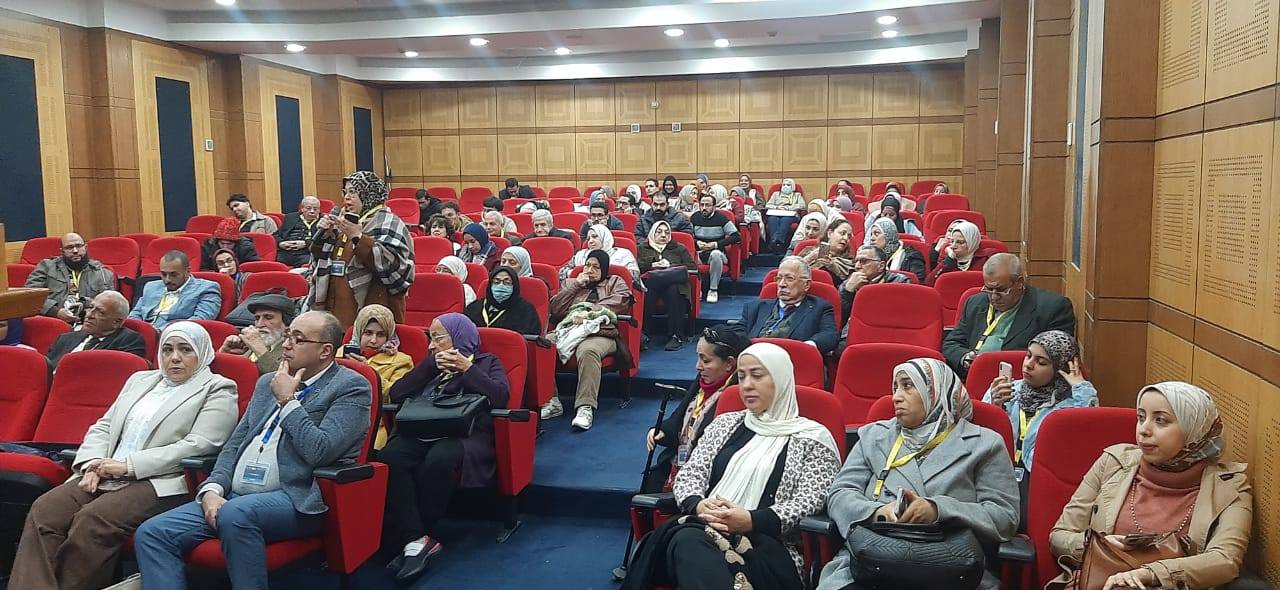
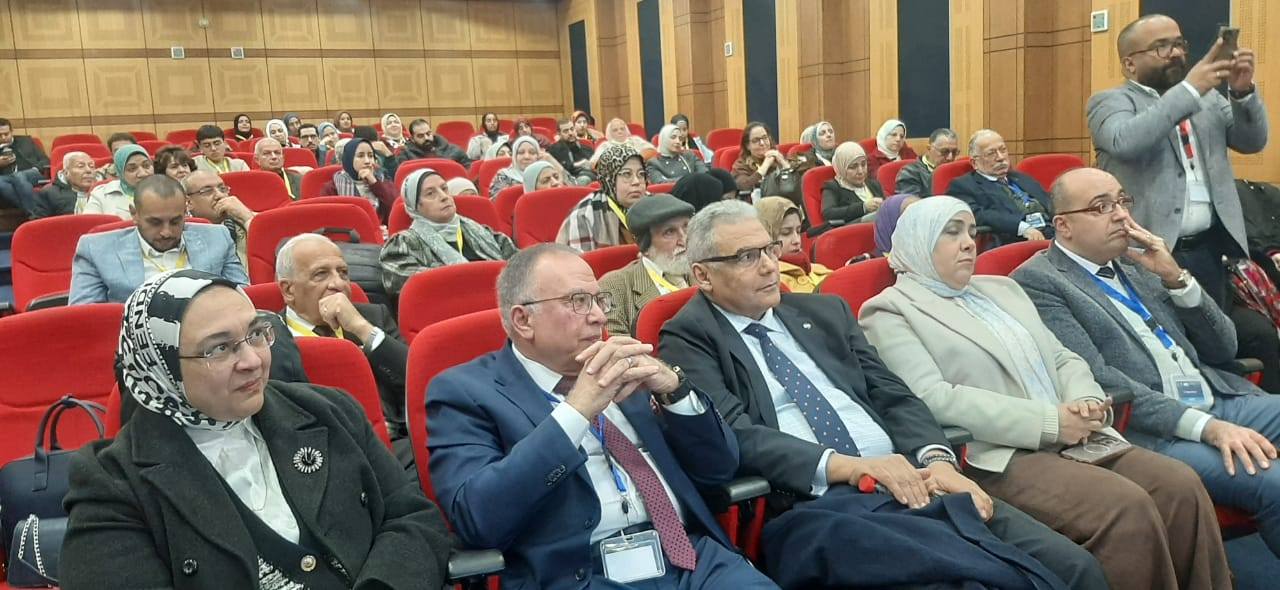
A large number of physicians and specialists from various medical disciplines attended the workshop, aiming to exchange expertise and learn about the latest advanced therapeutic recommendations for optimal diabetes management during the month of Ramadan, as well as supporting patients in making sound health decisions while fasting.
The workshop addressed specialized advice for patients with diabetes on how to control the disease and adhere to healthy lifestyle practices during fasting. It also provided attendees with the opportunity to ask questions and engage in discussions with diabetes experts, and to gain health and nutritional information that supports achieving a balanced and healthy lifestyle not only during Ramadan but throughout the year.
In addition, the workshop presented important guidelines on overcoming health challenges that patients with diabetes may face while fasting. These included advice on healthy habits, recommended food choices, appropriate portion sizes, and suitable meal timings, as well as raising awareness of the main health risks that may occur during fasting and the potential benefits of fasting for patients with diabetes.
The sessions also highlighted the importance of blood glucose monitoring during Ramadan, dietary plans suitable for patients with diabetes, adjusting diabetes medications during fasting, and managing chronic conditions associated with diabetes such as heart, kidney, and endocrine diseases. Furthermore, the workshop discussed religious perspectives and key Islamic rulings related to fasting in general, with special emphasis on concerning patients with diabetes.