 English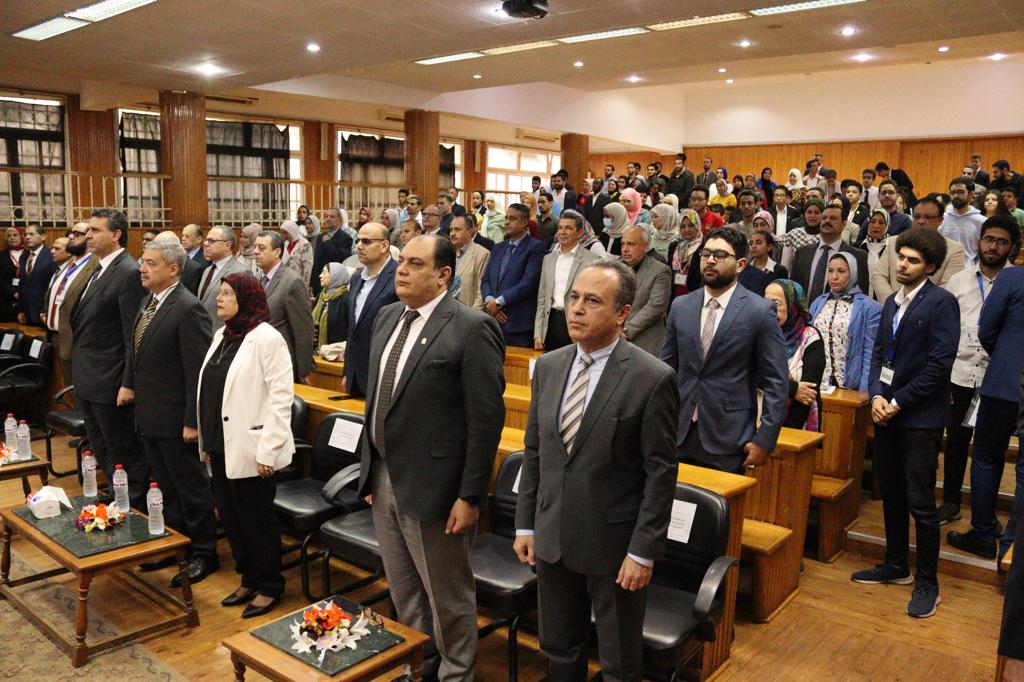
Faculty News
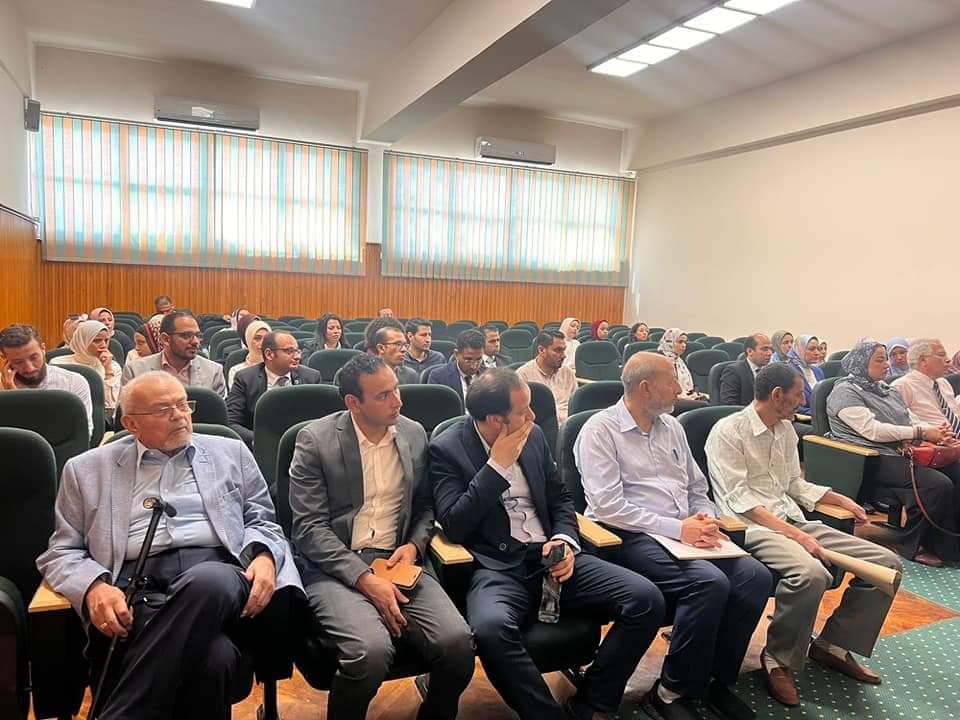
Faculty of Economic Studies and Political Science, discusses the challenges of academic work in light of the applications of artificial intelligence
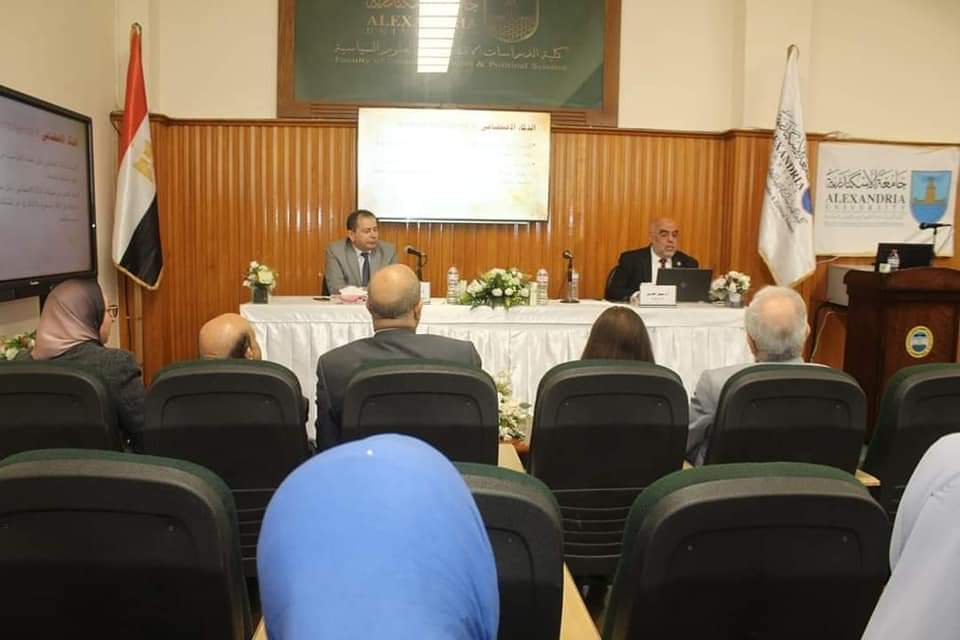
Under the auspices of Dr. Abdelaziz Konsowa, President of Alexandria University, the Center for Research and Economic Studies at the Faculty of Economic Studies and Political Science held a symposium entitled "Challenges of Academic Work in Light of Applications of Artificial Intelligence", in which Dr. Nabil Salah Al-Arabi, professor of digital economics at the faculty and consultant for one of the projects of the program, spoke. Formerly United Nations Development.
In his speech, Dr. Ahmed Wahban, Dean of the Faculty, pointed out the importance of the topic of the symposium, its novelty, and the repercussions of the rapid successive developments in the world of artificial intelligence, which may be very dangerous for the future of scientific research.
During his lecture, Dr. Nabil Al-Arabi identified the most prominent topics of the symposium, which is the definition of the automated interlocutor with artificial intelligence (ChatGPT), its most important characteristics and versions, how it works and practical examples of its use in teaching tasks (course design / test setting / test answer / correcting assignments / explaining concepts to students / answering questions / solving problems) And practical examples of its use in scientific research: (proposing a research idea/ presenting a general background on the subject/ presenting a list of references on the subject/ writing an article with references/ reformulating the text/ translation), and weakness. The most important challenges of the applications of artificial intelligence in academic work were discussed, the most important of which is providing reasonable but incorrect answers, fake citations, and threatening the integrity of scientific production with plagiarism and dissemination of misleading information.
Opening of the Tenth Student Conference for Research and Innovations, Faculty of Science
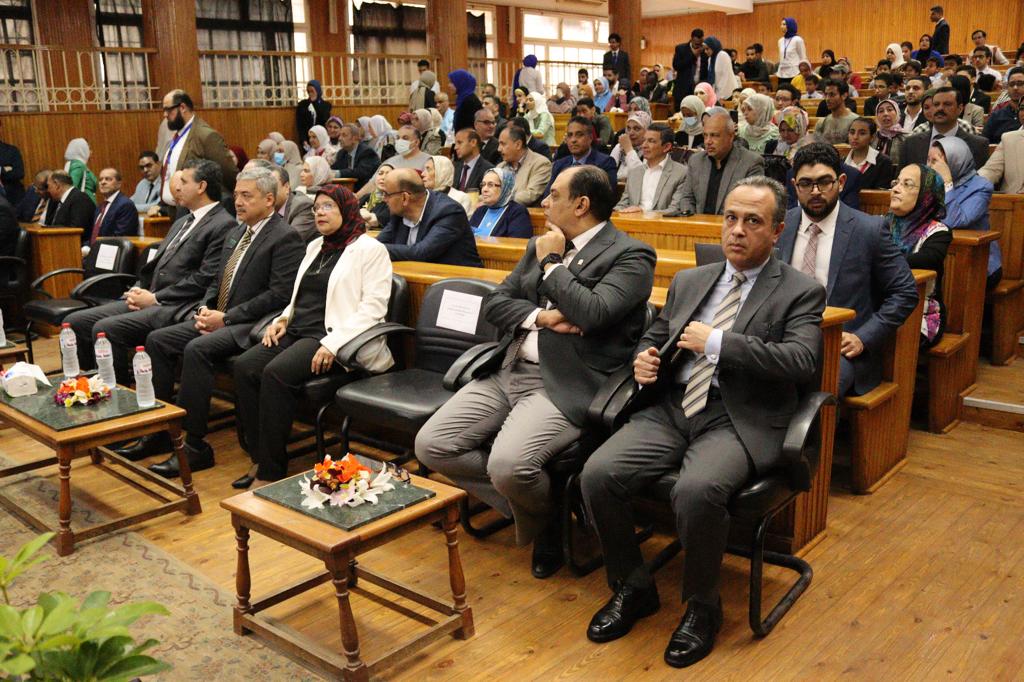
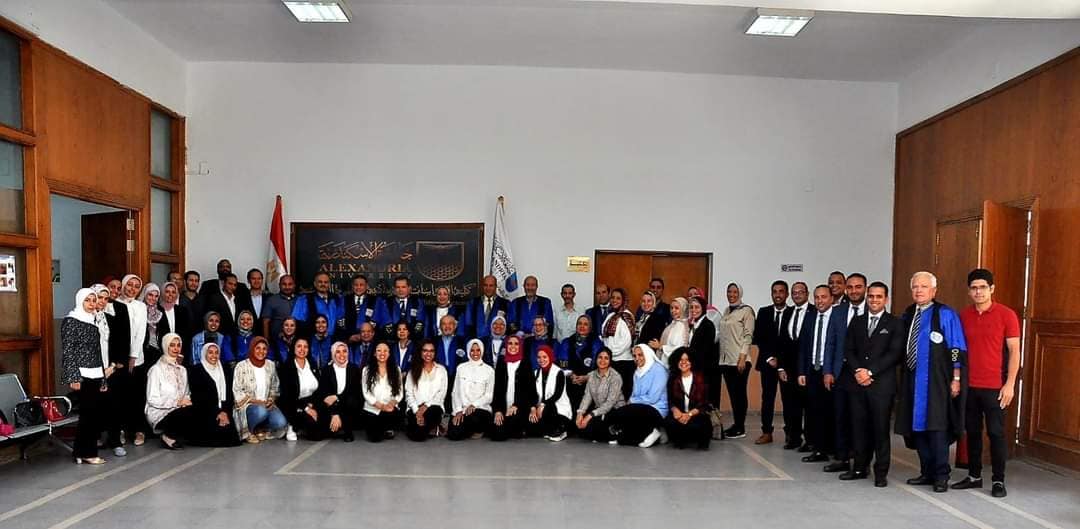
Under the auspices of Dr. Abdelaziz Konsowa, President of Alexandria University, the Faculty of Science organized the 10th Student Conference for Research and Innovations for undergraduate and postgraduate students and third schools. Its activities will continue on May 13 and 14, 2023 in the Faculty building in Shatby.
The opening was attended by Prof. Yasser Refaat - Deputy Minister of Higher Education for Scientific Research Affairs, and Prof. Dr. Alaa Abdel Bary - Vice President of the Arab Academy for Maritime Transport, Science and Technology, and Prof. Dr. Mohamed Rashad Abdel-Fattah - Deputy Director of the City of Scientific Research and Technological Applications - for Scientific and Research Affairs, and Prof. Dr. Sameh Riad, Head of the Central Administration - Environmental Affairs Agency in Alexandria, and Prof. Dr. Mohamed Ismail Abdo Ibrahim - Advisor to the President of the British University in Egypt, and Prof. Aladdin Ramadan Mustafa - Vice President of Pharos University for Education and Students, and Prof. Mukhtar Ibrahim Youssef - Vice President of Pharos University for Postgraduate Studies and Research, and Dr. Mohamed Muharram - Vice President of the Businessmen Association in Alexandria, and a. Mohamed Adel - Executive Director of Scientific Journals and Customer Experience - Middle East and North Africa, representatives of industrial companies in Alexandria, deans and vice deans of faculties and institutes, heads of departments, exploratory centers, participating bodies, members of the faculty and the supporting staff, and our students from the university and schools.
Dean of the Faculty said that the Student Conference of the Faculty of Science is the link between pre-university education, represented by the schools and exploratory centers participating in the conference, and university education in its undergraduate and postgraduate levels, which provides the appropriate scientific environment to highlight the talents of students in the various stages of education in the fields of research and scientific innovations and provide them with the skills of self-expression and talent development process they have.
The opening lecture was delivered by Prof. Yasser Refaat, Deputy Minister of Higher Education for Scientific Research Affairs, entitled "The Qualitative Shift of Science, Technology and Innovation in Egypt".
The conference deals with several main themes: health and preclinical sciences, physical and chemical sciences, life sciences, science and technology, and sustainable development.
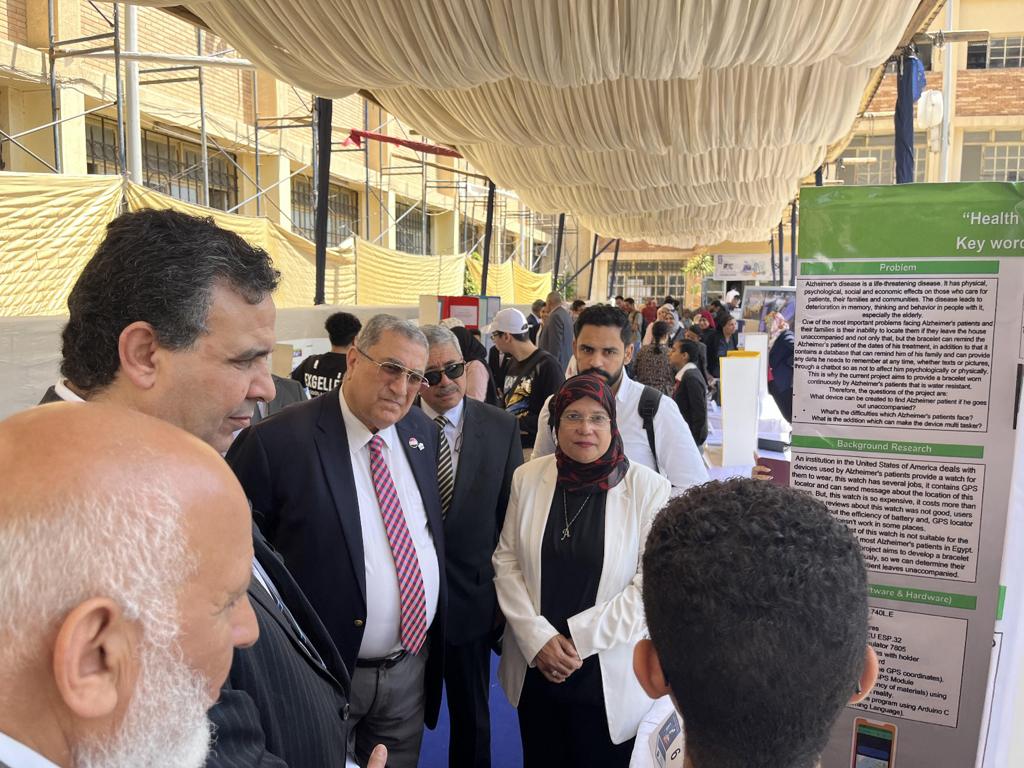
With the participation of the Holding Company for Drinking Water in Alexandria, and the Sanitation Company, "company exhibitions".
It is noteworthy that the number of participating schools is 15 schools, in addition to the management of the gifted and exploration centers, and 11 universities. The total number of participants in research is 218, and the number of projects is 146 projects.
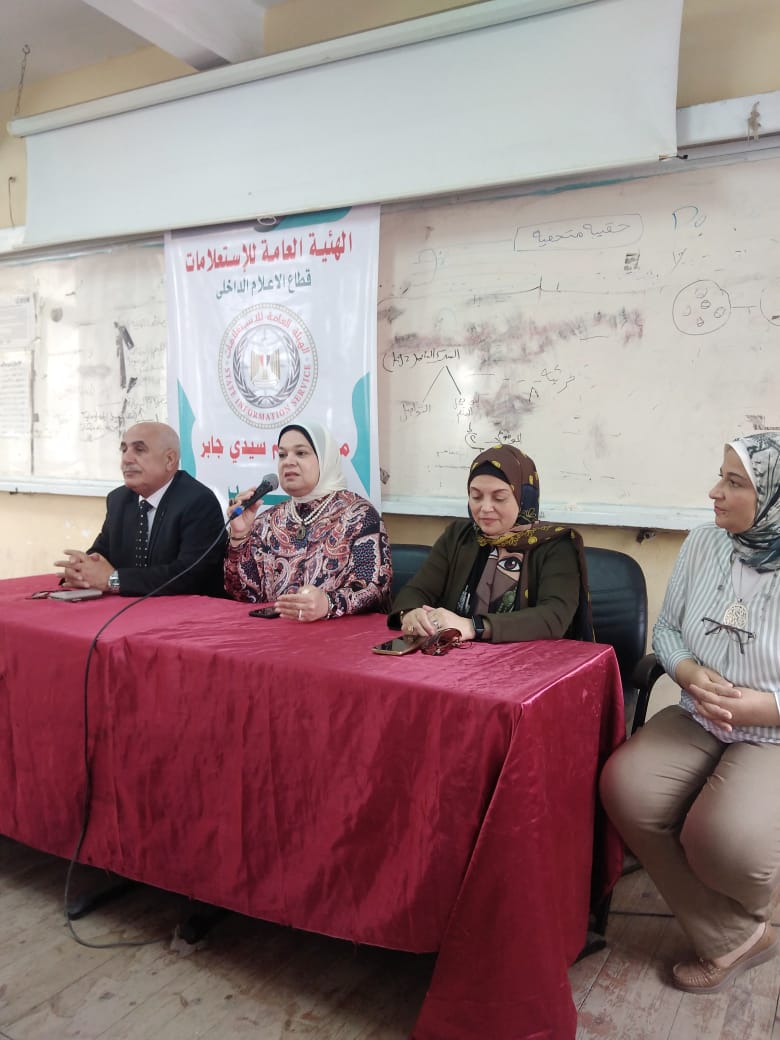
Faculty of Nursing organizes its symposium on the occasion of the 50th anniversary of the glorious October Victory
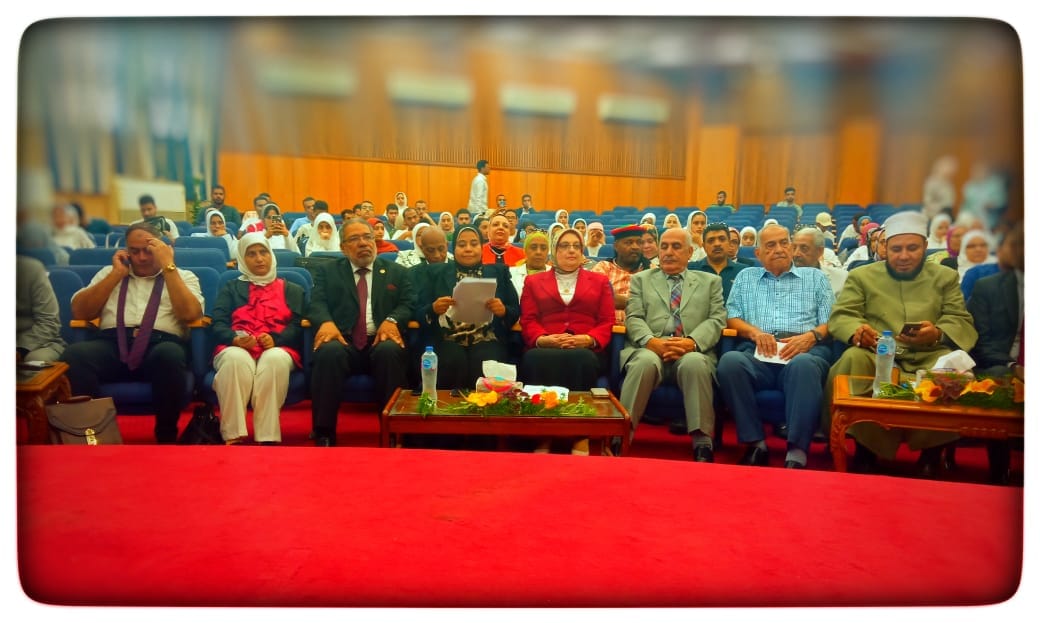
Under the auspices of Dr. Abdel Aziz Konswa, President of Alexandria University, Faculty of Nursing, in cooperation with the Ahl al-Tawfiq Charity Association, organized an educational symposium on the occasion of the 50th anniversary of the glorious October victory, in which Major General Staff Mahmoud Salem, one of the heroes of the October War, and Major General Hashem Abu al-Fadl, one of the heroes of defense, participated. Air Force and the October War, in the College’s Blue Hall.
The celebration included reciting poetry, speeches, and memories from the heroes of the October War.
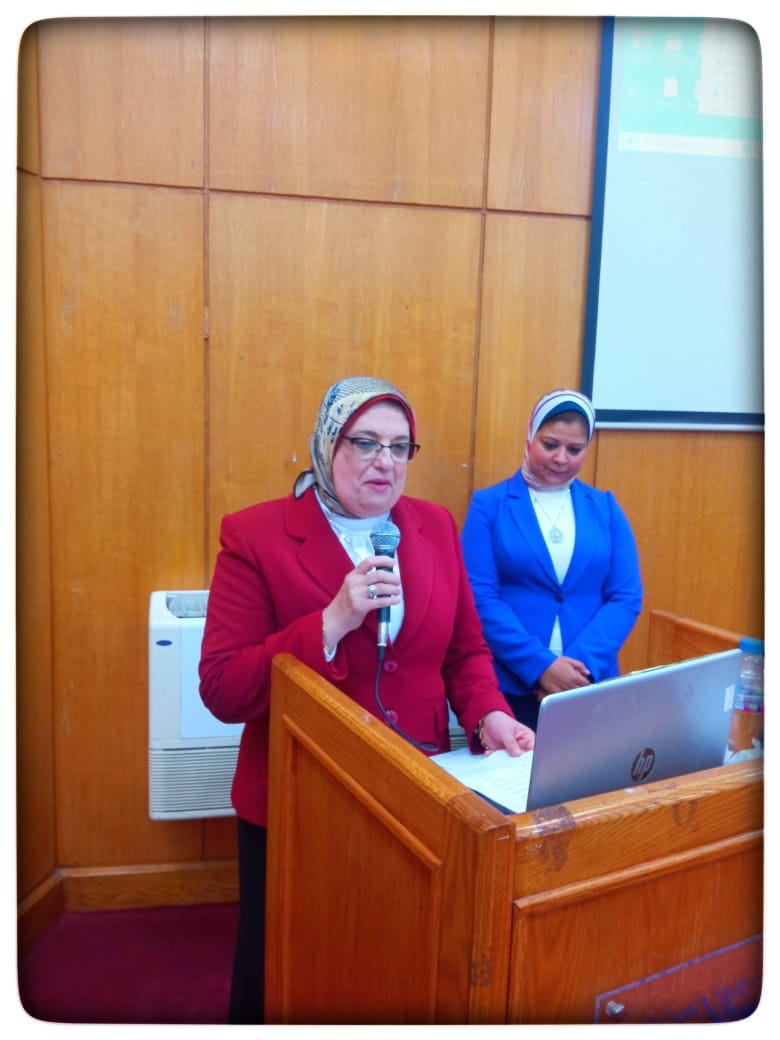
In her speech, Dr. Nefertiti Zaki, Dean of the College, affirmed her pride in this occasion in which we remember the greatest epic in our modern history, which is the October Victory. She congratulated the military leaders and the valiant armed forces on this great occasion.
While Dr. Hanan El-Sherbiny confirmed that Egypt’s wealth in the October War was the human wealth that created the miracle of the crossing, stressing that we are now facing the second crossing towards building the new republic, and that we must be inspired by the spirit of October, which is considered a dream, and the October dream is a dream of pride, victory and dignity.
Participating in the celebration were Dr. Muhammad Farid, Head of the Doctors Syndicate, Dr. Ibrahim El-Gamal, Director of the Fatwa House in Alexandria, Mrs. Safaa Tawfiq, Director of the Ahl al-Tawfiq Association, and Dr. Hani Morris, Director of Caritas, and a number of representatives of scientific, health, trade union and media bodies and institutions, and a group of faculty members, college workers and students.
Faculty of Economic Studies and Political Science Holds its Second Annual Conference
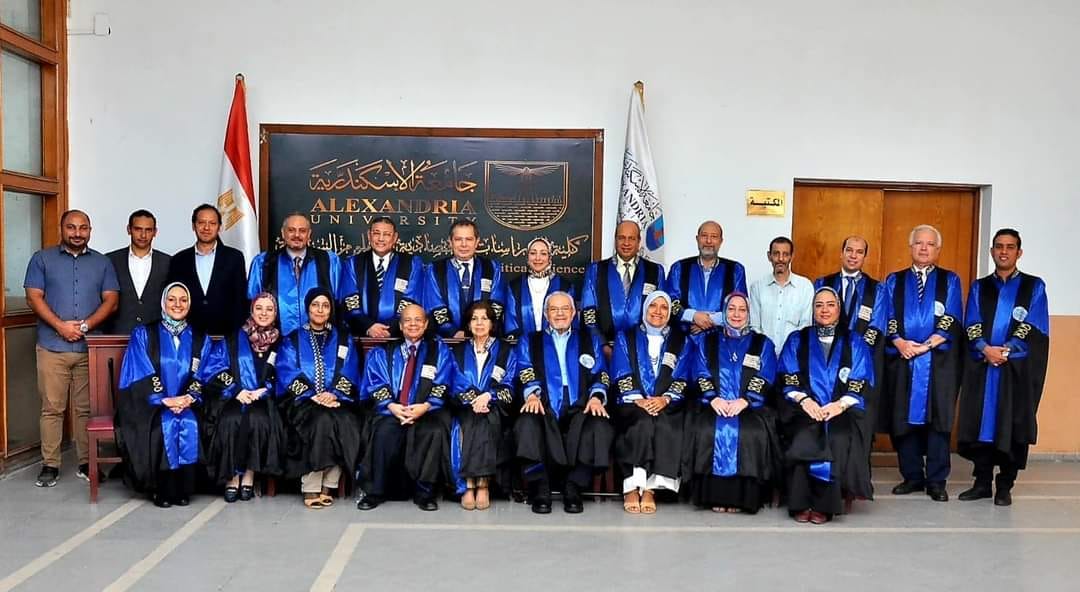
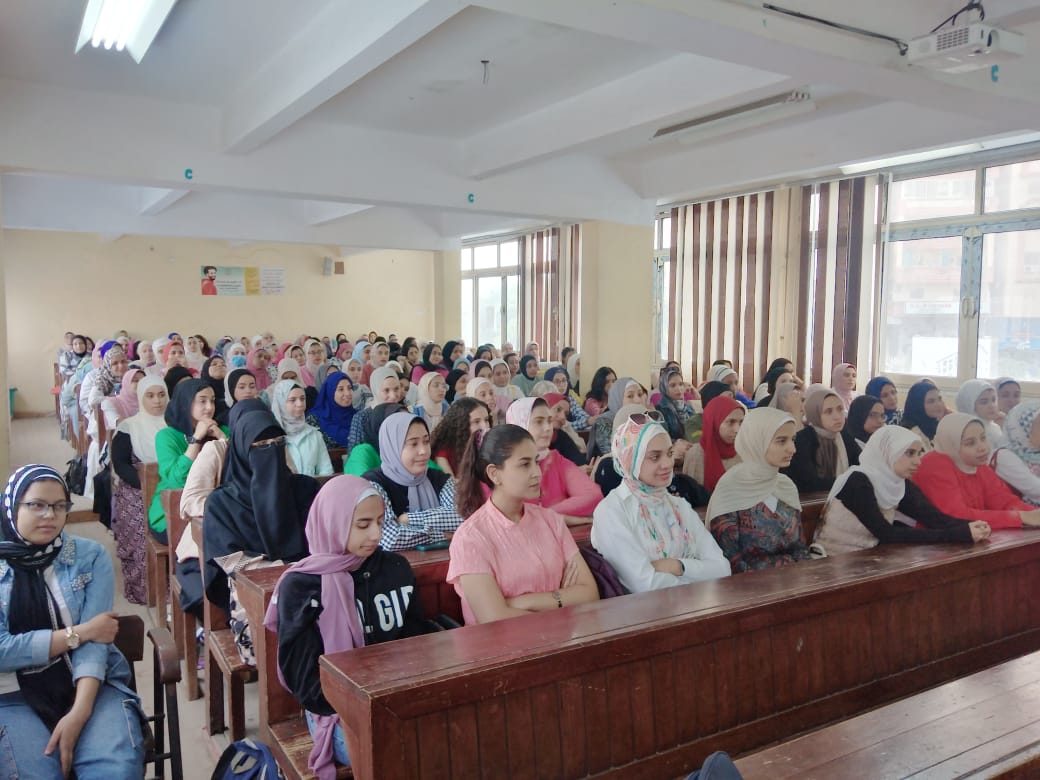
Under the auspices of Professor Dr. Abdelaziz Konsowa, President of Alexandria University, the Faculty of Economic Studies and Political Sciences held its second annual conference under the title: "The Faculty of Economic Studies and Political Sciences between Reality and Development Challenges".
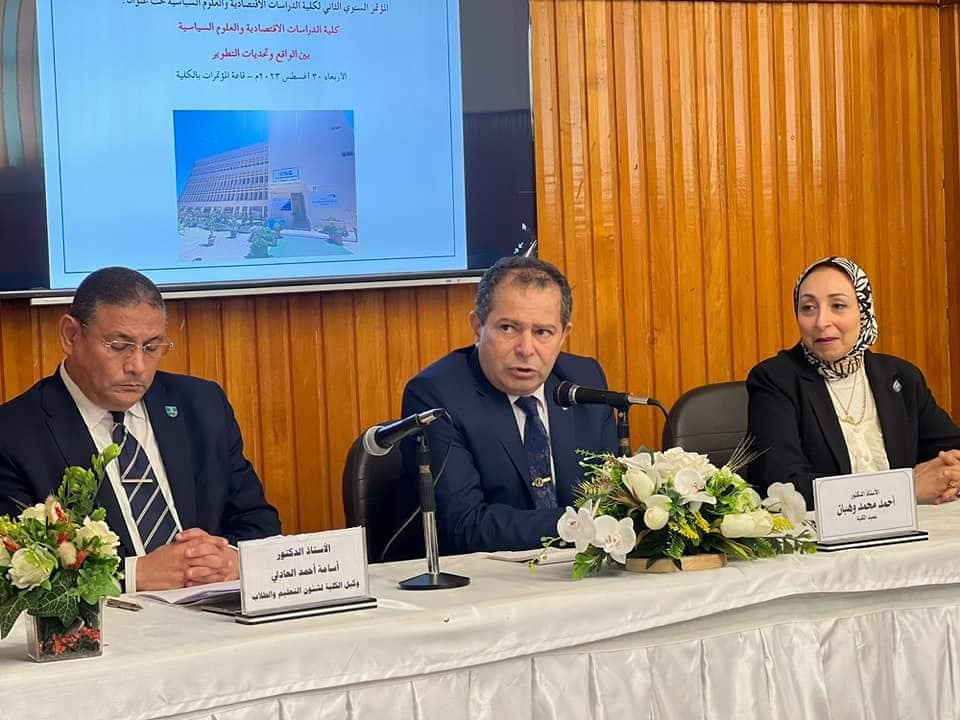
In his speech, Dr. Ahmed Wahban, Dean of the Faculty, pointed out the importance of this conference as it is an authentic university tradition in order to develop the faculty. He stressed the necessity of developing the content of the scientific curricula for the courses and adding some other courses to keep pace with the ongoing developments in the educational process at the global level, as well as making some amendments to the internal regulations for the bachelor’s level in order to raise the efficiency and quality of the educational process.
He also pointed out a number of axes, the most prominent of which are: quality and the faculty’s keenness to apply for a certificate of accreditation and quality, scientific research, encouraging faculty members and assisting staff to participate in various research projects, and keenness to publish research papers in prestigious academic journals, community service, support for the academic and professional training of faculty graduates, and the prominent role played by the training and qualification unit for the labour market.
In his speech, Dr. Osama El-Adly, Vice Dean of the Faculty for Education and Student Affairs, reviewed the educational process, which has become a continuous and uninterrupted process throughout the year under the credit hour system, evaluated the process of academic guidance for students of the credit hour system, evaluated the regularity of exams, and presented some recommendations that would increase efficiency of the education and student affairs sector at the faculty.
Dr. Sherine Nosseir, Vice Dean of the Faculty for Postgraduate Studies and Scientific Research, reviewed the numbers enrolled in the faculty's diploma, master’s, and doctoral programs, and reviewed the most prominent challenges faced by the graduate studies sector in all its aspects. She pointed to the tremendous developments witnessed by the faculty’s library, most notably the trend towards providing library services completely electronically. In the same regard, Dr. Sherine Nosseir mentioned that the library’s work team entered 96% of the foreign books, 46% of the Arabic books, and 52% of the scientific theses into the Egyptian University Libraries Union system, and in her evaluation of the faculty’s scientific journal, Dr. Nosseir pointed out that the magazine’s evaluation has been graded according to the Supreme Council of Universities since 2020 until it reached 7 out of 7 points in 2023.
Dr. Ahmed Mandour, Head of the Economics Department, and Dr. Mamdouh Mansour, Head of the Political Science Department, presented working papers that addressed the most prominent challenges, in addition to proposals that would raise educational efficiency in the two scientific departments.
The conference sessions continued throughout the day and concluded with a number of recommendations intended to be implemented in the academic year 2023/2024.